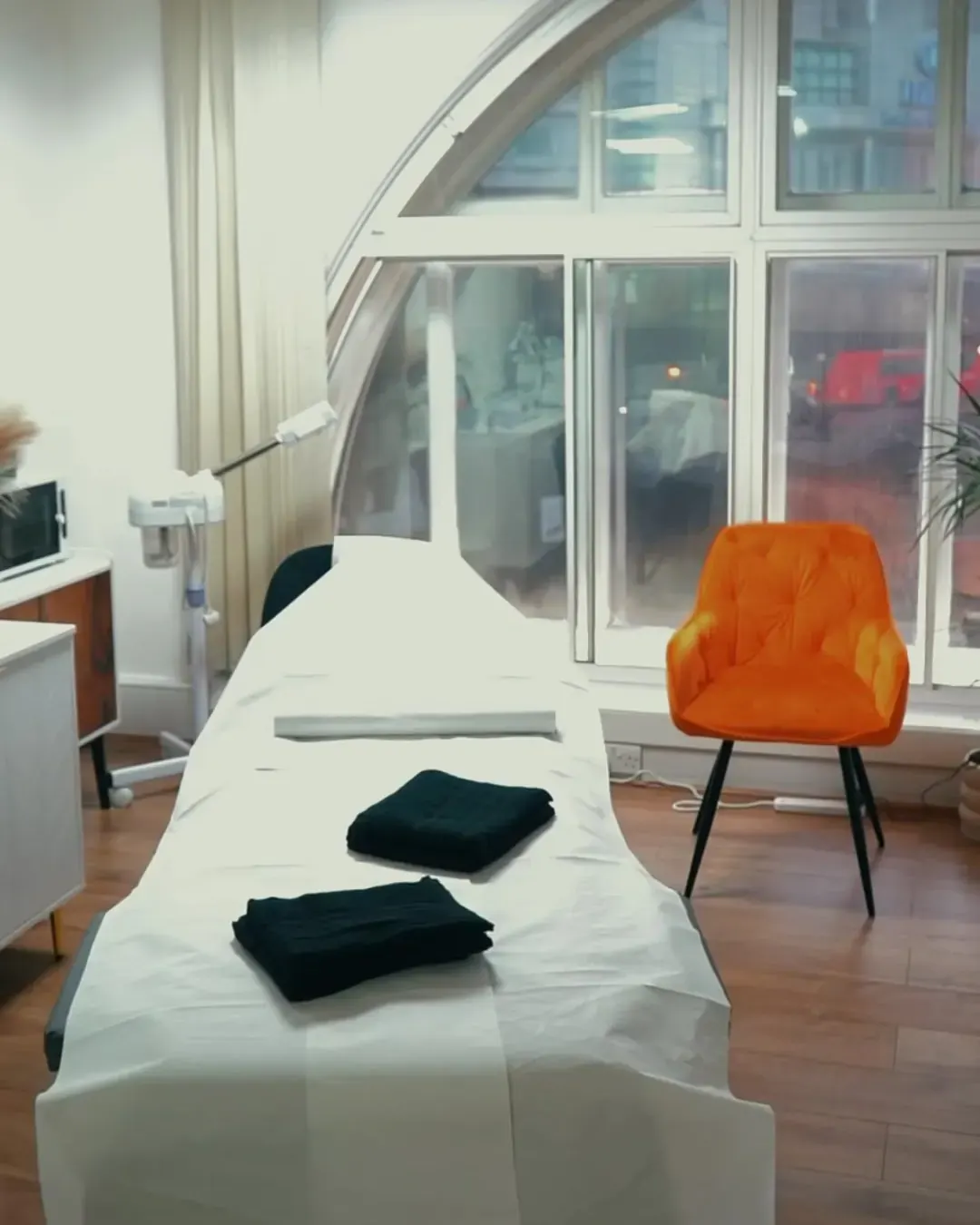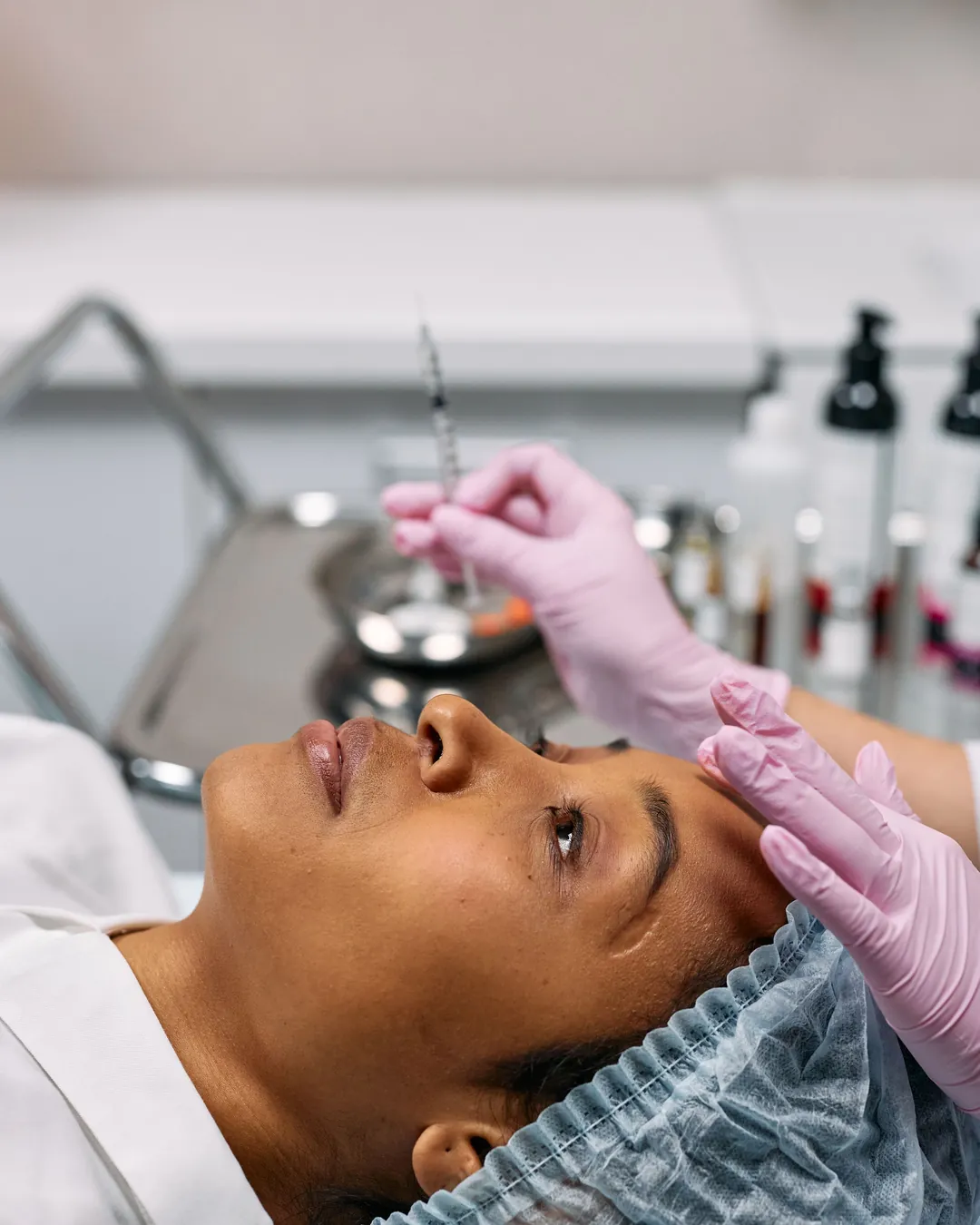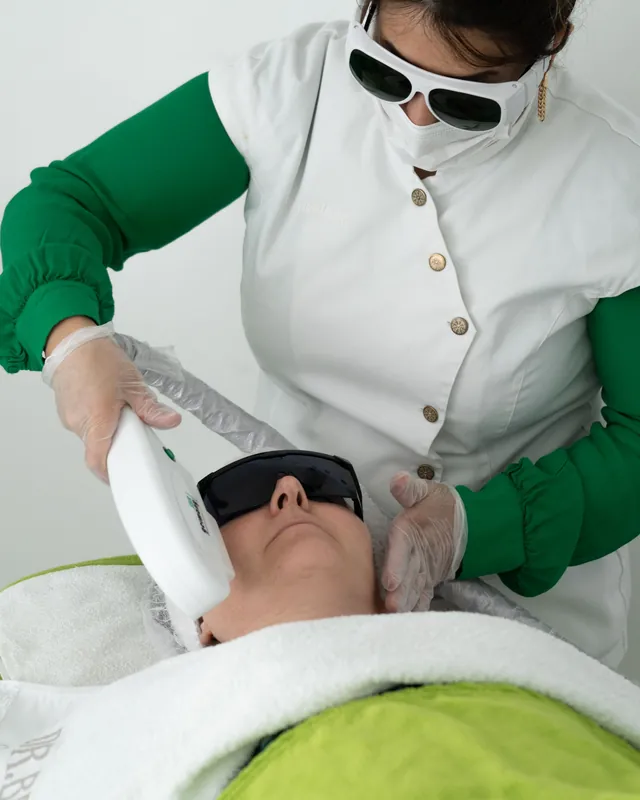
Facial laser hair removal reduces dark hair on areas such as the upper lip, chin, jawline and cheeks, so you can stop the daily routine of threading, plucking or shaving. Over a course of sessions the hair grows back finer and sparser. It is long-term reduction, and some facial hair, especially hormone-driven hair, can keep returning and need occasional top-ups.
At ZARA on Edgware Road, London W2, we treat the face with diode laser and IPL. It suits dark hair most reliably. Very fine, pale or grey facial hair has too little pigment for the light to find, and we will tell you plainly if that applies to you.
Every plan begins with a free consultation and a patch test, and the cost is confirmed at that consultation once we know which areas you want treated.
Which parts of the face can be treated?
We treat small, precise areas of the face, either one at a time or combined in the same visit:
- Upper lip: the most frequently requested facial area.
- Chin and jawline: often where stray coarse hairs appear.
- Cheeks and sides of the face: including the area in front of the ears.
- Between the eyebrows: to soften a hairline that joins in the middle.
- Ears: visible hair on the outer ear.
Many people add the front of the neck, because chin hair often continues below the jawline. Tell us at consultation exactly which hairs bother you, and we will plan the areas around them. If razor bumps or ingrown hairs under the chin are the problem, see ingrown hairs and razor bumps.
Why are facial sessions booked closer together?
Hair grows in cycles, and the light only works well on hairs in their active growth phase. Facial hair moves through that cycle faster than body hair, so face sessions are usually scheduled at shorter intervals than the four to eight weeks typical for the body.
Facial hair can also be stubborn, particularly on the chin, where hormones play a large part. Expect to see the regrowth become thinner and patchier over the first few sessions, then plan for occasional maintenance once the course is complete.
Does it work on fine, light or fluffy facial hair?
Usually not. The soft, light down that covers much of the face has very little pigment, and the same is true of white, grey, red and very fair blonde hair. Laser and IPL depend on that pigment to absorb the light, so they cannot reliably reduce this kind of hair.
If your concern is mainly soft facial hair and a dull surface, dermaplaning is a gentler, short-term alternative that removes fine hair along with dead skin. It does not reduce regrowth, but it leaves the skin smooth for a while. We would rather point you there than sell a laser course that will not help.
What if hormones are behind your facial hair?
Hormonal conditions such as polyendocrine metabolic ovarian syndrome (PMOS, previously called polycystic ovary syndrome or PCOS), can keep producing new facial hair, often on the chin, jawline and upper lip. Laser can still reduce what is there, but more sessions and regular maintenance are often needed, because the underlying cause has not changed.
Laser treats the hair, not the hormones. If facial hair has appeared suddenly or is increasing quickly, or comes with other changes such as irregular periods, see your GP first. It is worth checking for a medical cause before starting any course.
Is facial laser suitable for darker skin?
It can be, with care. The aim is a clear contrast between dark hair and the skin around it, so the heat goes into the follicle. Deeper skin tones are treated with careful settings, and diode is generally viewed as suiting more skin tones than IPL, so the choice of method matters. There is more detail on our laser hair removal for dark skin page.
Your patch test, done 24 to 48 hours before the first full session, lets us see how your facial skin responds. Because the face is exposed every day, daily SPF matters throughout the course, as tanned skin cannot be treated safely.
How should you prepare your face?
- Stop threading, plucking, waxing and epilating the area for about four weeks before treatment. This is often the hardest part for upper lip and chin hair, but the root needs to be in place.
- Use a razor on the area roughly a day before every appointment. Shaving does not make hair grow back thicker or darker.
- Do not use hair removal cream on your face during the course.
- Come with a clean face, free of make-up, moisturiser and perfume on the treatment area.
Afterwards, the skin may look pink with small raised bumps around the follicles, and may feel warm, like mild sunburn. This usually settles within a few hours to a day or two. Keep it cool, use a gentle fragrance-free moisturiser and avoid saunas, steam rooms, hot baths and hard exercise for 24 to 48 hours.
Facial skin often looks pink and slightly bumpy straight after treatment, settling within hours or a day or two. Less often, laser can cause burns, blisters, crusting or a change in skin colour, which is usually temporary but can occasionally last. Your patch test and careful settings lower that risk, and you should contact us if anything blisters or concerns you.
Who should wait before facial laser?
Treatment is postponed during pregnancy and while you have cold sores, an infection or broken skin on the face. Medicines that make skin sensitive to light, including isotretinoin, also mean waiting. Cosmetic tattooing such as microblading or lip blush in the area is avoided, raised moles are covered, and a recent tan, light-triggered epilepsy or a heat-sensitive skin condition needs discussing first.
To find out whether your facial hair will respond, message us on WhatsApp on 07479 973309, call 020 4619 8781, or request a free consultation.
Facial laser hair removal: your questions answered
Does upper lip laser hair removal hurt?
The upper lip is one of the more sensitive spots, so each pulse can feel sharper there than on the legs or back. It is brief, a quick snap with some warmth, and cooling helps. Let us know during treatment and we can adjust the settings.
Can I keep threading my eyebrows during a course?
Avoid threading or plucking any hair inside the area being treated, such as between the brows. Shaping the brows outside the treated zone is something to check with us at your consultation so the two plans do not clash.
How soon will I see a difference on my chin or upper lip?
Treated hairs usually shed within one to three weeks, and many people notice thinner, patchier regrowth after the first few sessions. Hormone-driven chin hair often takes longer and needs more sessions than the upper lip.
Will facial hair come back after the course?
Some is likely to return over time, particularly if hormones change. Occasional top-up sessions, often once or twice a year, keep the result in place.
Is facial laser hair removal only for women?
No. Men book facial areas too, most often the cheek line, the neckline and between the eyebrows. The same methods are used, though beard hair usually needs more sessions.
How much is facial laser hair removal?
It is priced at your free consultation. Small areas such as the upper lip and several facial areas booked together are planned differently, so we confirm the cost once we know what you want treated.