Laser hair removal for dark skin is possible for many people, but it is not something to rush. Brown and Black skin holds more melanin, the same pigment the light is aiming for in the hair, so the treatment has to be planned to heat the follicle without overheating the skin around it.
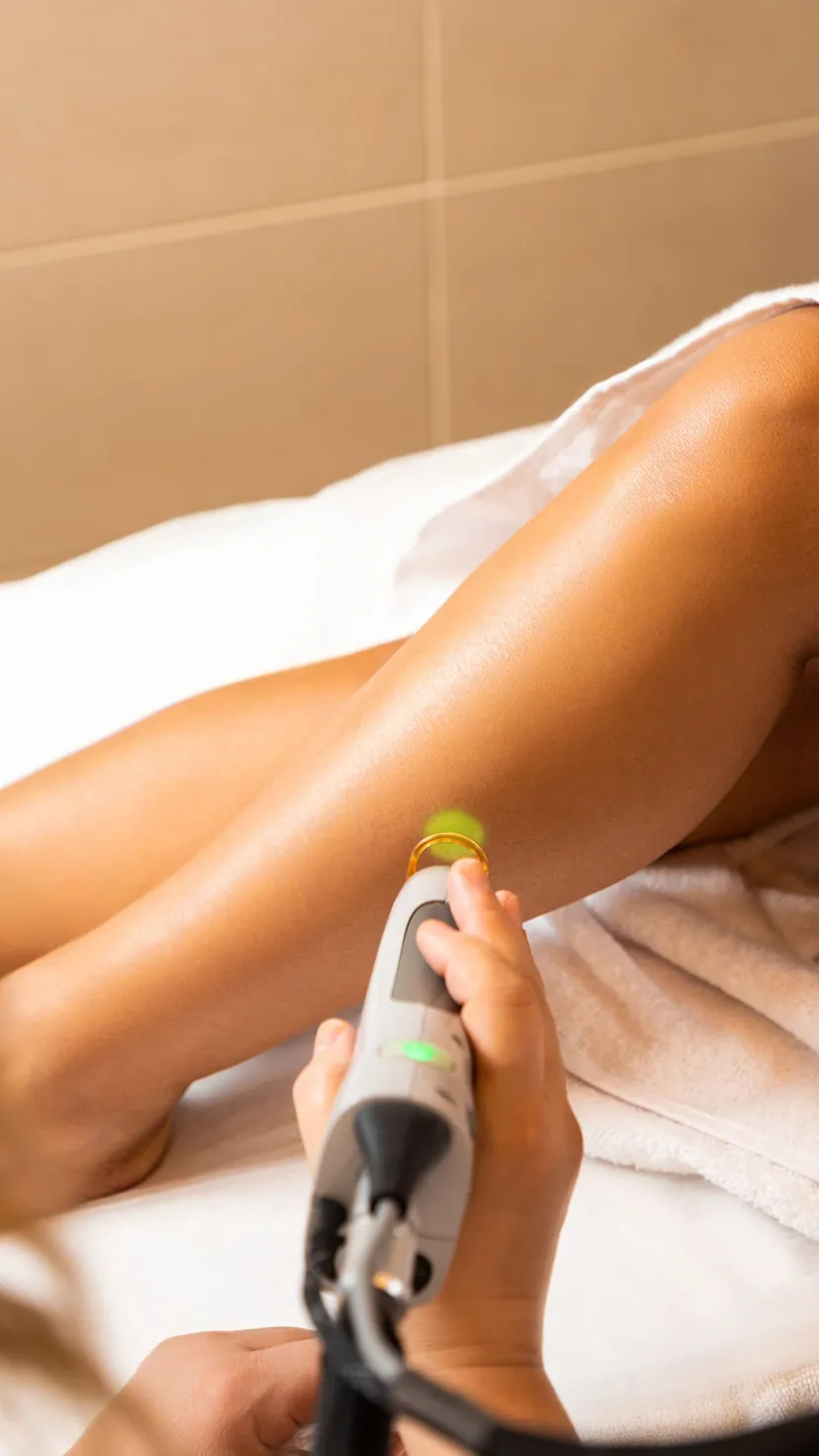
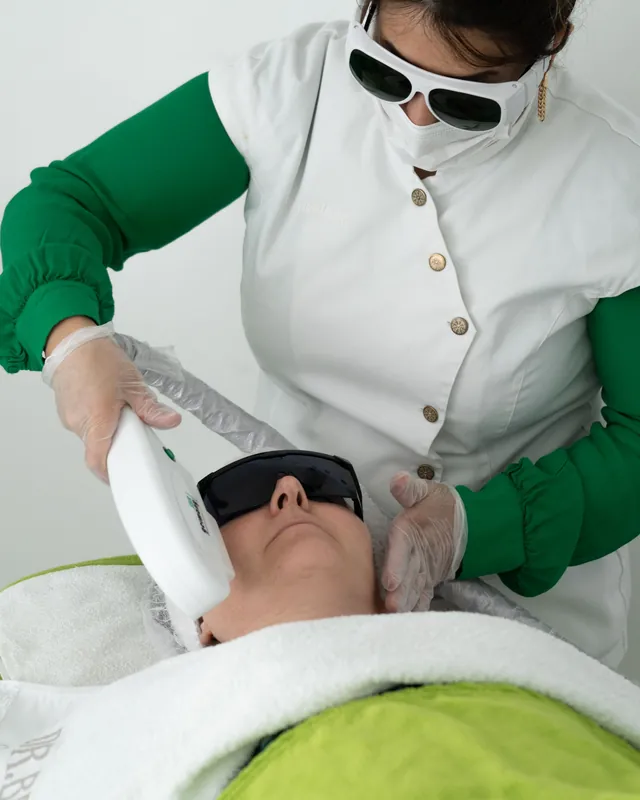
At ZARA on Edgware Road, London W2, we offer diode laser and IPL. Of the two, diode is usually the better fit across a wider range of skin tones, and which method you have is decided at your consultation after we have looked at your skin and hair. A patch test always comes first, and the skin is cooled during every session.
We cannot promise that every skin tone and hair type will be suitable, and we will tell you plainly if we do not think treatment is right for you. Laser hair removal is priced at your free consultation, as the cost depends on the areas and the length of your course.
Why does skin tone change how laser is done?
Laser and IPL both work by being absorbed by melanin. In an ideal case, dark hair soaks up the energy and the skin around it, holding less pigment, lets most of it pass. On lighter skin with dark hair, that contrast is large. On deeper skin tones the gap is smaller, because the skin itself contains a lot of melanin competing with the hair for the light.
That does not rule treatment out, but it changes how it is approached. Settings need to be chosen with care, the method has to suit the skin, and cooling matters to protect the surface. In general terms, this is why clinics are more cautious with darker skin and why a patch test is not a formality.
Why may IPL be less suited to deeper skin tones?
IPL, intense pulsed light, uses a broad spectrum of light filtered for hair. A diode laser uses a single, focused wavelength. Because IPL spreads its energy across a wider range of light, more of it can be taken up by pigment in the skin, which is why it is generally considered less suited to deeper skin tones.
Even so, the decision is made for you as an individual, at consultation, based on your skin, your hair colour and thickness and the area. If neither method looks safe for your skin, we will say so.
What are the risks for brown and Black skin?
The normal reaction after a session is redness and small raised bumps around each follicle, which usually settle within a few hours to a day or two. The risks to know about are less common, but they are more likely on darker skin, even with careful settings:
- Changes in skin colour: darker patches or lighter patches in the treated area. These are usually temporary, and rarely they can last.
- Burns and blistering: if the skin absorbs too much heat.
- Crusting: small scabs where the skin has been irritated.
Careful settings, cooling and the patch test all help lower these risks, but they cannot remove them. Contact us straight away if you notice blistering or anything that worries you after a session.
What happens at the patch test?
After your consultation and medical history check, a small area is treated 24 to 48 hours before your first full session. That gap gives the skin time to show how it responds to the settings we plan to use. If there is any sign the skin is reacting badly, we adjust or stop before a larger area is treated.
For darker skin this step carries real weight. It is the most direct way to see how your own skin, rather than skin in general, handles the treatment.
Why do sun and tanning matter so much?
Tanned skin holds extra pigment, which makes the contrast with the hair even smaller and raises the risk of a reaction. This applies to every skin tone, including skin that is already deep.
- Avoid sun exposure, sunbeds and self-tan on the area for several weeks before a session.
- Use daily SPF on treated skin that sees the sun, and keep it covered where you can.
- Avoid tanning between sessions for the whole course.
Many people find autumn and winter the easiest time to start, as the skin sees less sun.
Which hair responds well, and which does not?
Dark, coarse hair carries the most pigment and gives the clearest target. Fine, light, grey, white or red hair has little melanin, so it responds poorly to both laser and IPL, whatever your skin tone. Many people with deeper skin tones have dark hair, which helps, but the colour and thickness of your hair still decide how much the light can do.
A course of six to eight sessions is typical for most body areas, spaced four to eight weeks apart, with face sessions often booked closer together. This is long term hair reduction rather than total removal, results vary from person to person, and occasional top-ups are common. Coarse curly hair that causes ingrown bumps is covered on our ingrown hairs and razor bumps page.
Who should not have treatment yet?
Treatment is postponed if you are pregnant, have a recent tan, sunbed use or self-tan on the area, or take a medicine that makes skin sensitive to light, such as isotretinoin or some antibiotics. We also wait if there is infection, cold sores or broken skin in the area. Tattoos and permanent make-up are avoided, raised moles and dark birthmarks are covered or avoided, and a history of epilepsy triggered by light or a skin condition that flares with heat needs discussing first.
If you would like an honest view on your skin and hair, book a free consultation by WhatsApp on 07479 973309, call 020 4619 8781 or use the booking form.
Darker patches, moles or rashes that have appeared recently are worth showing to your GP before laser. Outside our hours, NHS 111 can advise if you feel unwell after a session.
Laser hair removal for dark skin: your questions answered
Is laser safe for dark skin?
It can be done safely for many people with dark skin when the method, settings and cooling suit the skin and a patch test comes first. Even with careful settings, the risk of pigment changes, burns or blistering is higher than on lighter skin, and not everyone will be suitable.
Can you treat Black skin?
Often, yes, and we will assess your skin and hair at a free consultation before deciding. If we think the risk is too high for your skin or the hair is unlikely to respond, we will tell you rather than start a course.
Which method is used for brown skin?
We choose between diode laser and IPL at consultation. Diode is generally considered the more suitable of the two across a wider range of skin tones, but the decision depends on your individual skin and hair.
Will laser leave dark marks on my skin?
Changes in skin colour are a known, less common risk, and are more likely on deeper skin tones. They are usually temporary. The patch test, careful settings and strict sun protection help reduce the chance.
Does it work if my hair is fine or grey?
Usually not well. Fine, light, grey and red hair hold little pigment for the light to target, so results are poor regardless of skin tone.
How much does laser hair removal for dark skin cost?
The price is set at your free consultation and depends on the areas and number of sessions. We will go through the cost of your plan with you at that appointment.