When the skin under your eyes looks thin, creased or tired, polynucleotides are the treatment ZARA offers for that area. They are placed in small amounts to support the quality of the skin, aiming for better hydration and smoother texture over a course of usually two or three sessions. They do not add volume, so they will not fill a deep hollow, and they will not shrink puffy bags caused by fat.
That distinction matters, because people searching for under-eye treatment usually mean one of three things: dark circles, hollows or bags. Each has different causes, and only some of them respond to a skin-quality treatment. At our clinic at 304 Edgware Road, London W2, we work out the cause first and tell you plainly which parts of your concern are likely to improve.
There is no fixed price for polynucleotides: the cost is set at your consultation, once we know which areas you want treated and how many sessions you are likely to need. That consultation is free and always comes before any treatment.
What causes dark circles under the eyes?
Dark circles rarely have a single cause, and many people have more than one at the same time. The most common are:
- Pigment. A brown or greyish tone in the skin itself, more common in medium and darker skin tones and often seen in several members of a family.
- Thin skin. Where the skin is very thin, the blood vessels and muscle beneath it show through as a bluish or purple tinge.
- Shadowing. A hollow or groove under the eye catches overhead light and casts a shadow, which reads as darkness even when the skin colour is even.
- Genetics. Some people inherit darker or hollower under-eyes, sometimes noticeable from childhood.
- Lifestyle. Poor sleep, rubbing the eyes, hay fever and other allergies, and sun exposure can all make the area look darker or puffier.
At consultation we look at the area in different lighting and ask how long it has looked this way, because the cause decides whether polynucleotides are worth trying at all.
Which under-eye concerns can polynucleotides help?
Polynucleotides work on the skin rather than the structure underneath. They are made from purified DNA fragments, usually from salmon or trout, and are believed to help the skin repair itself by holding water and encouraging collagen and elastin. Under the eyes, where facial skin is at its thinnest, that makes them a reasonable option for:
- Crepey, finely creased skin that looks worse in bright light or when you smile
- Fine lines across the lower lid
- A tired, dull look where thin skin lets darker tones underneath show through
Better-hydrated, healthier skin can hide a little more of what sits beneath it, so a bluish tinge caused by thin skin may look softer over a course. Changes build gradually, and how much improves varies from person to person.
What will polynucleotides not do for hollows and bags?
It is better to know this before you book. Polynucleotides do not add volume or lift, so they cannot fill the groove between the lower lid and the cheek. They may improve the skin lying over a hollow, which can make it look less tired, but the hollow itself stays.
Puffy bags are often caused by fat that has moved forward with age, sometimes with fluid retention on top. A skin-quality injection will not remove or reshape that fat. Puffiness that comes and goes with sleep, salt, alcohol or allergies is usually a lifestyle or medical matter rather than one for injections.
Dark circles caused mainly by pigment are also outside what polynucleotides directly treat. If pigment is the main issue, we will say so at consultation. If you are hoping for a structural change, we would rather tell you honestly than sell you a course that cannot deliver it.
Who should not have under-eye polynucleotides?
This treatment is only for adults aged 18 and over, and we may ask for photo ID. Because most products come from fish DNA, it is not suitable if you have a fish or salmon allergy. Please wait if you:
- Are pregnant or breastfeeding
- Have an active infection, cold sore or inflamed skin around the eyes
- Have reacted to a similar injectable in the past
An autoimmune condition, a recent illness or a blood thinner, aspirin included, needs a fuller conversation first, as they can affect bruising and suitability. Do not stop any prescribed medicine without your doctor's advice. If you cannot or would rather not have a fish-derived product, a PRP facial, which uses your own blood, can be discussed instead.
How does an under-eye course run?
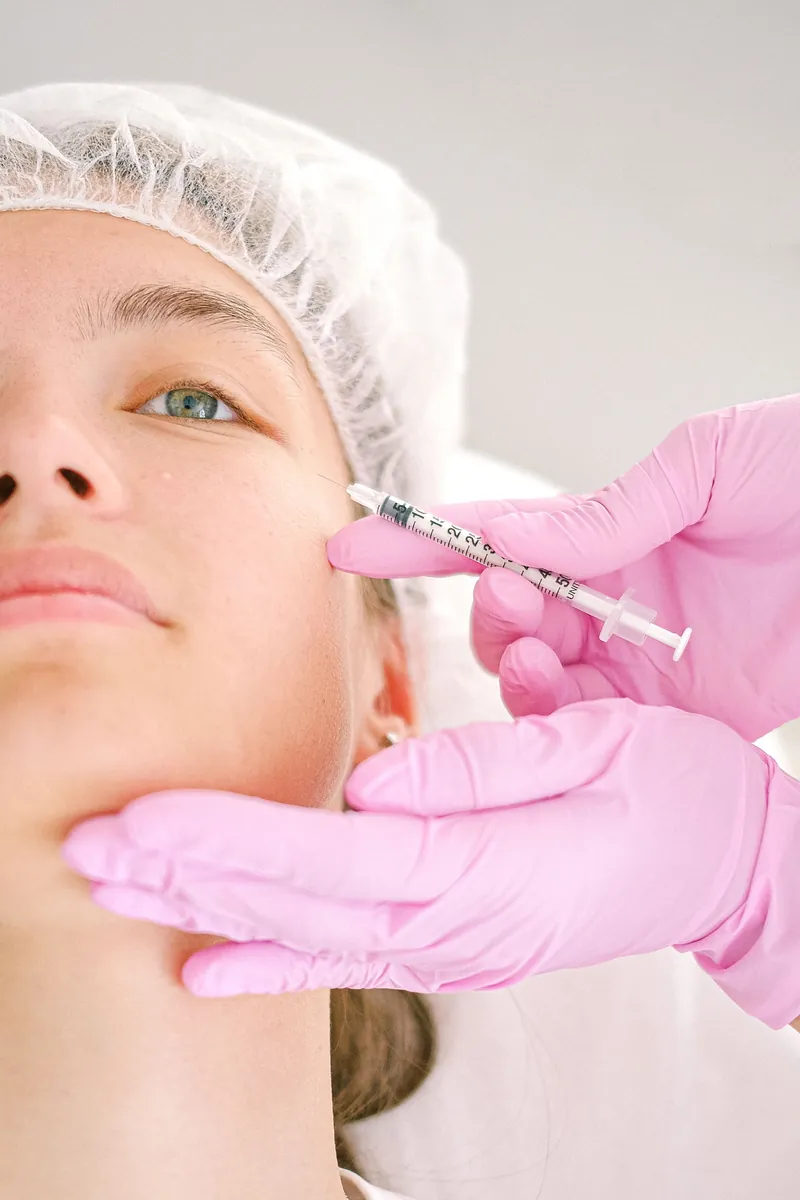
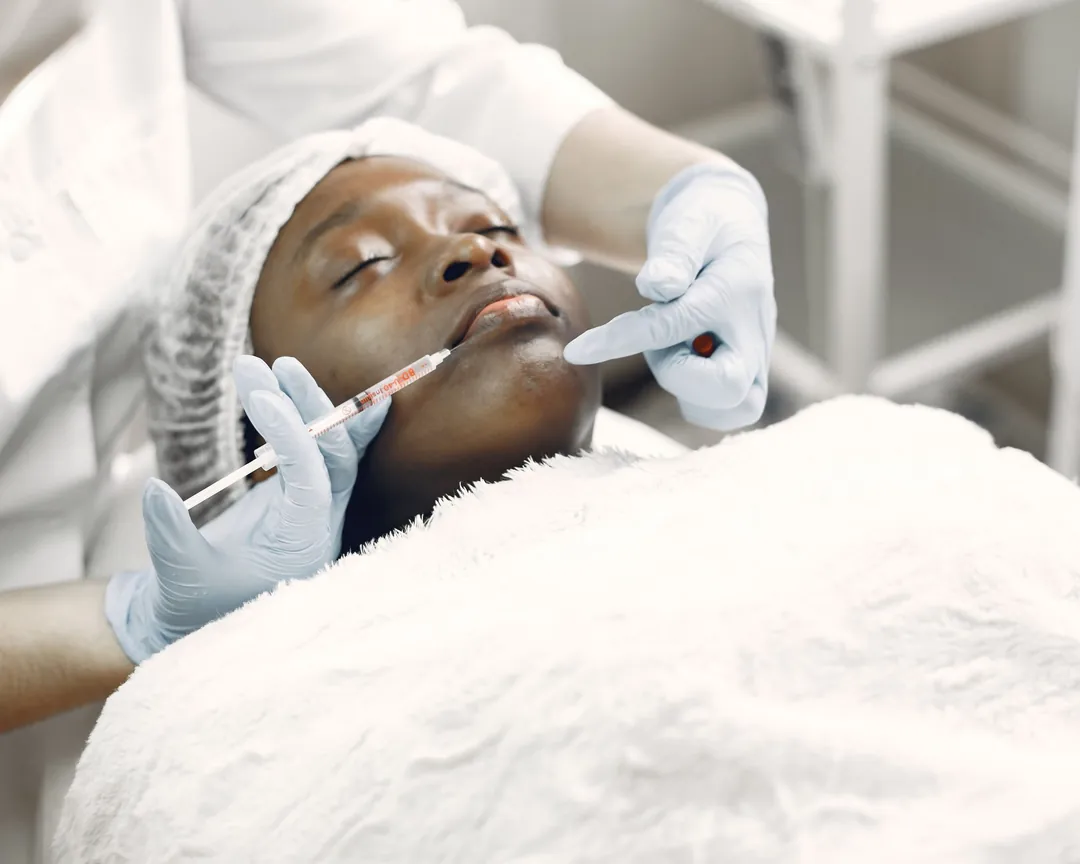
Your first visit starts with a consultation, a medical history and an allergy check. If we agree to go ahead, the skin is cleansed and a numbing cream may be used where appropriate. The product is then placed with a fine needle or cannula as a series of small injections.
Most courses run to two or three sessions, about two to four weeks apart, and under-eye skin sometimes needs the longer end of that range. Most people see the skin looking more hydrated a few weeks after starting, with changes continuing after the last session. The effect fades as skin keeps ageing, so many people book a top-up once or twice a year.
What about bruising and aftercare under the eyes?
Bruising is more likely under the eyes than on other parts of the face, and it can take a week or more to fade. Small raised bumps at the injection points are normal and usually settle within 24 to 48 hours, along with some redness, swelling and tenderness.
For the first 24 hours, skip eye make-up, avoid touching or rubbing the area, and stay away from the gym, saunas and swimming. If you bruise easily, avoid alcohol on the day. Infection and allergic reaction are rare, but get in touch with us, or get medical help, if pain or heat increases, redness spreads, pus appears, or your lips or throat swell.
For a wedding or big occasion, allow a gap of two weeks or more after any session, and begin two to three months beforehand if you want the whole course finished in time.
Close to Marylebone, Paddington and Maida Vale
The clinic is at 304 Edgware Road, about 50 metres from the Bakerloo line entrance at Edgware Road station. Marylebone and Paddington stations are each one stop away on the Bakerloo line, and Maida Vale is three stops. We are open until 8pm Monday to Saturday and from 1pm to 5pm on Sundays and bank holidays, which makes it easier to choose a date when a bruise has time to settle.
To find out whether your under-eyes are likely to respond, book a free consultation through our booking form, on WhatsApp at 07479 973309 or by calling 020 4619 8781.
Under-eye treatment: your questions answered
Do polynucleotides get rid of dark circles?
They can help when thin, crepey skin is part of the problem, by improving the quality of the skin over time. They do not directly treat darkness caused by pigment, and they will not fill a hollow that casts a shadow. We assess the cause before recommending anything.
Will polynucleotides fix under-eye bags?
No. Bags caused by fat or fluid are not something a skin-quality injection can remove. The skin around them may look smoother after a course, but the bulge itself will stay.
Is the under-eye area more uncomfortable to treat?
The skin here is more sensitive than elsewhere on the face, so expect quick, sharp scratches with a little stinging as the product goes in. Where appropriate a numbing cream helps, and you can ask us to stop at any point.
How many sessions will my under-eyes need?
Usually two or three, a few weeks apart, though crepey under-eye skin sometimes needs the longer end of that range. We confirm the number after seeing your skin and review it at each visit.
How much does under-eye treatment cost?
The price is worked out at your consultation, based on the areas and the number of sessions, and you are told the full course total before you agree to anything.
Can I have under-eye treatment if I am allergic to fish?
Not with polynucleotides, because most of these products are made from salmon or trout DNA. Tell us about any allergy at consultation, and we can talk through a PRP facial as an alternative.
When should I see a doctor about my under-eyes?
See your GP if swelling or darkness appears suddenly, affects only one eye, is painful, or comes with itching, redness or changes to your vision. Puffiness that seems linked to allergies is also worth raising with a doctor.