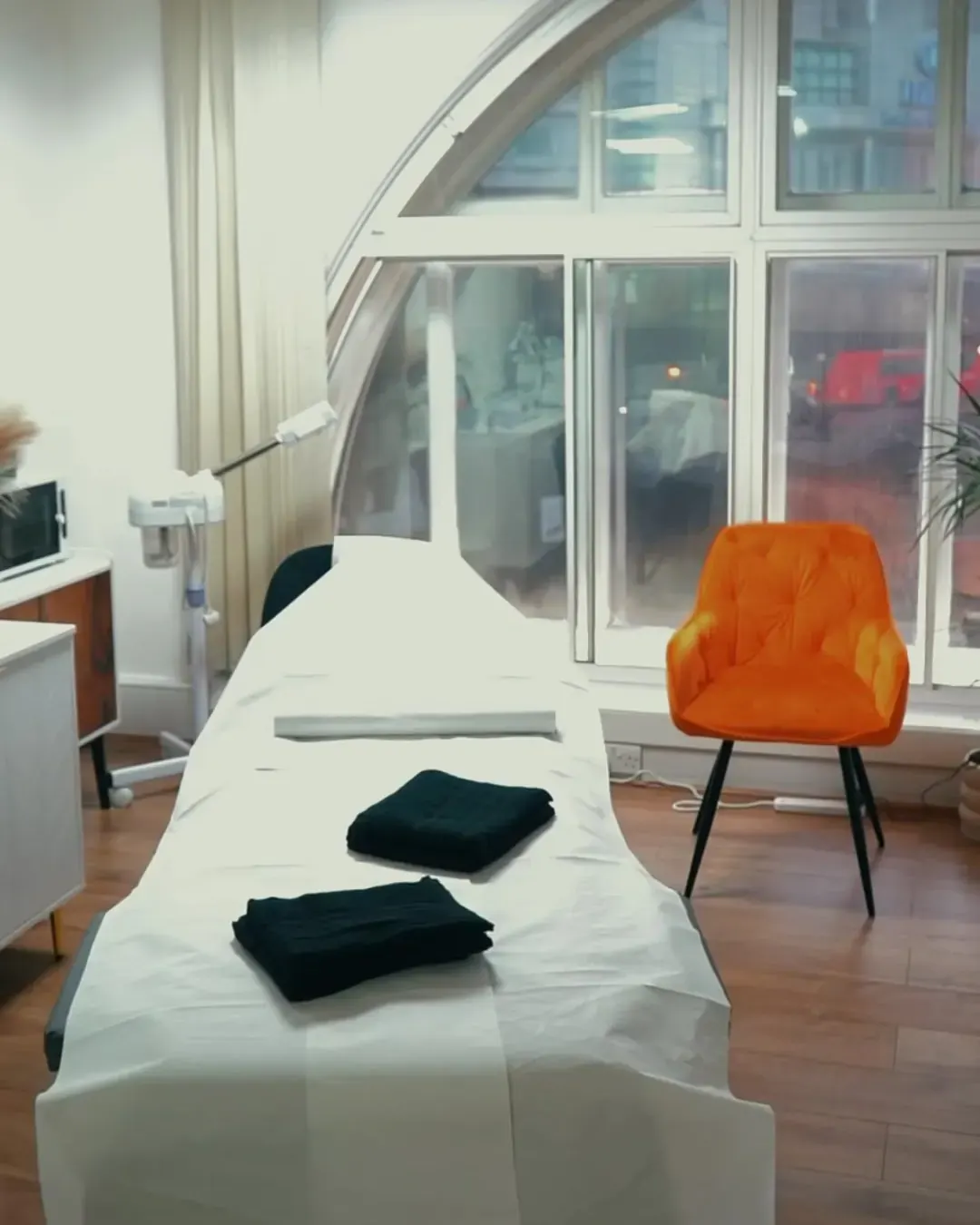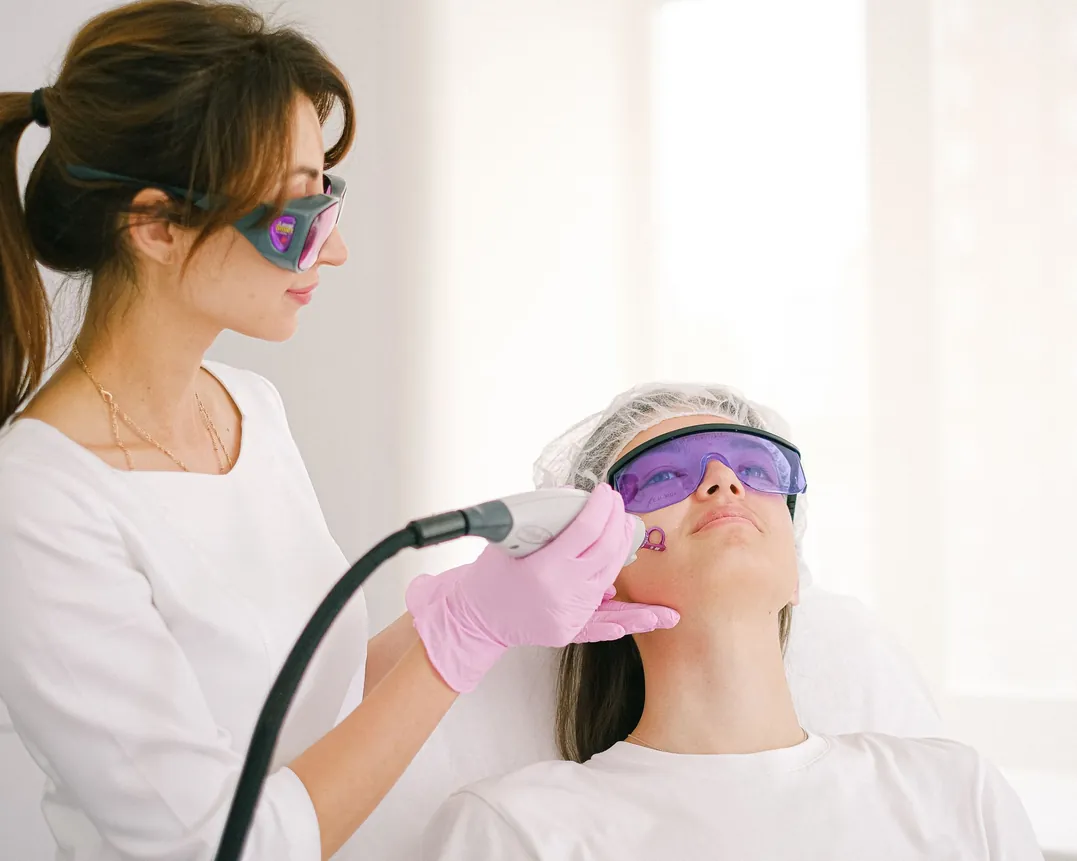
Leg laser hair removal reduces hair on the legs over a course of sessions, so you shave far less often and regrowth comes back finer and patchier. You can treat the full legs, the lower legs only, or add the toes and tops of the feet. Like all laser hair removal, it gives long-term reduction, and occasional top-ups are normal.
We treat legs with diode laser and IPL at ZARA, 304 Edgware Road, London W2. Dark leg hair responds most reliably. Very fair, red or grey hair has too little pigment for the light, and we will tell you at consultation if that is the case.
Leg laser is priced at your free consultation, as the cost depends on how much of the leg you treat and the length of your course. A patch test comes first.
Full legs or lower legs: which should you choose?
The lower legs, often called half legs, cover the area from the knee down. Full legs run from the ankle up to the top of the thigh. Toes and the tops of the feet can be added to either.
Choose lower legs if the hair above your knee is fine or pale, or if you mainly want smooth shins for skirts, shorts and swimming. Choose full legs if you shave or wax the thighs too, or if you would rather finish the job in one course. If you are also thinking about the bikini line, the top of the thigh is a natural place to join the two, and both can be booked in one visit.
Can you shave your legs between sessions?
Yes, and you should. Shaving cuts the hair at the surface and leaves the root where the light can reach it. What you must avoid during the whole course is anything that pulls hair out from the root: waxing, sugaring, plucking and epilators. Stop these about four weeks before your first session.
- Shave your legs about 24 hours before each appointment, including the knees and any area you want treated.
- Leave depilatory cream off your legs before a session.
- Expect stubble-like hairs for one to three weeks after a session. These are treated hairs working their way out, not new growth. Let them shed rather than plucking them.
If shaving or waxing leaves you with sore bumps on the shins or thighs, see ingrown hairs and razor bumps.
How does sun exposure affect leg treatment?
Legs tan easily, and tanned skin is one of the main reasons a session has to be moved. When skin is tanned, it holds more pigment and absorbs more of the light, which raises the risk of burns and colour changes. That applies to sunbeds and self-tan as well as holidays.
- Keep your legs out of strong sun, and away from sunbeds and self-tan, for several weeks before each session.
- Use daily SPF on treated legs whenever they are exposed during your course.
- If you have a beach holiday planned, tell us at consultation so we can time sessions around it.
Many people start leg treatment in autumn or winter, when legs are covered anyway, so they reach summer with much of the course done.
How many sessions do legs need?
For most body areas, legs included, a course of six to eight sessions is typical, with four to eight weeks between visits. Hair grows in cycles, and each session catches the hairs that are in their active growth phase at the time.
Thick, dark hair on the shins often thins noticeably after the first few sessions. Results vary with hair colour, thickness, skin type and hormones, and some hair is likely to return over time, so top-ups once or twice a year are common.
Is leg laser suitable for your hair and skin?
The light is absorbed by melanin in the hair, so a clear contrast between dark hair and lighter skin gives the most predictable result. Darker skin can still be treated, using cautious settings and the method that fits your skin. Diode is generally thought to suit more skin tones than IPL. Brown and Black skin is covered in more detail on our laser hair removal for dark skin page.
Your patch test is carried out on a small area 24 to 48 hours before your first full session. It lets us check how your skin reacts before we treat the whole leg.
What does it feel like, and what about aftercare?
Legs are usually one of the more comfortable areas. Each pulse feels like a quick snap with warmth, and the bony areas around the knees and ankles can feel a little sharper. A full leg session covers a large area, so it takes longer than smaller areas.
Redness and small raised bumps around each follicle are normal and tend to settle within a few hours to a day or two. Keep your legs cool, use a gentle, fragrance-free moisturiser, and avoid hot baths, saunas, steam rooms, running and other intense exercise for 24 to 48 hours.
Mild redness, warmth and little bumps around each hair are a normal reaction on the legs and usually fade within a day or two. Rarer problems are burns, blistering, crusting and patches of lighter or darker skin, mostly short lived and only rarely permanent. The patch test before your first session helps keep these risks down, so tell us straight away if you notice blisters.
Who should wait before leg laser?
Treatment is postponed during pregnancy, while you take medicines that make skin sensitive to light, such as isotretinoin or some antibiotics, and if you have an infection, shaving cuts or broken skin on the legs. Tattoos on the legs are avoided and raised moles or dark birthmarks are covered. A recent tan, light-triggered epilepsy or a skin condition that flares with heat should be discussed first.
To plan your legs, ask us on WhatsApp on 07479 973309, phone 020 4619 8781, or request a consultation through the form.
A mole on the legs that has changed shape or colour, or a rash with no diagnosis, should be seen by your GP before treatment. If something feels wrong after a session and the clinic is closed, contact NHS 111.
Leg laser hair removal: your questions answered
How much is full leg laser hair removal compared with half legs?
Both are priced at your free consultation. Full legs cover a larger area than lower legs, so the plan and cost differ, and we confirm both before you commit.
Can I use an epilator between sessions?
No. Epilators pull the hair from the root, which leaves nothing for the next session to target. Shave instead.
Can I go on holiday during my course?
Yes, but protect your legs from the sun and avoid tanning. If your legs do tan, your next session may need to wait until the tan has faded.
Does laser work on blonde leg hair?
Usually not well. Very fair, red, grey and white hair has little pigment for the light to target. We will look at your leg hair at consultation and tell you honestly whether it is likely to respond.
Will leg laser help with ingrown hairs?
It often helps. With fewer hairs growing back, there are fewer to become trapped under the skin, and you shave less often. Results vary between people.
Can men have leg laser hair removal?
Yes. Some men treat their legs for sport or cycling, others to thin dense hair. The same methods and course structure apply.