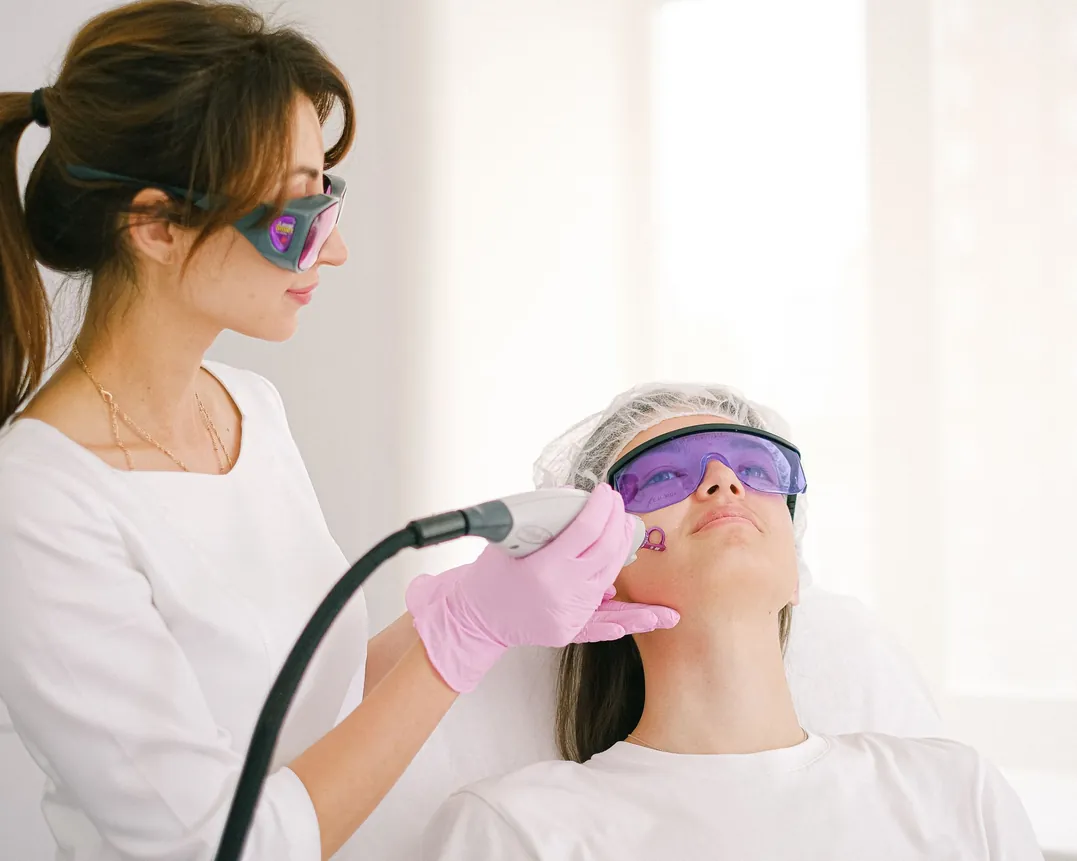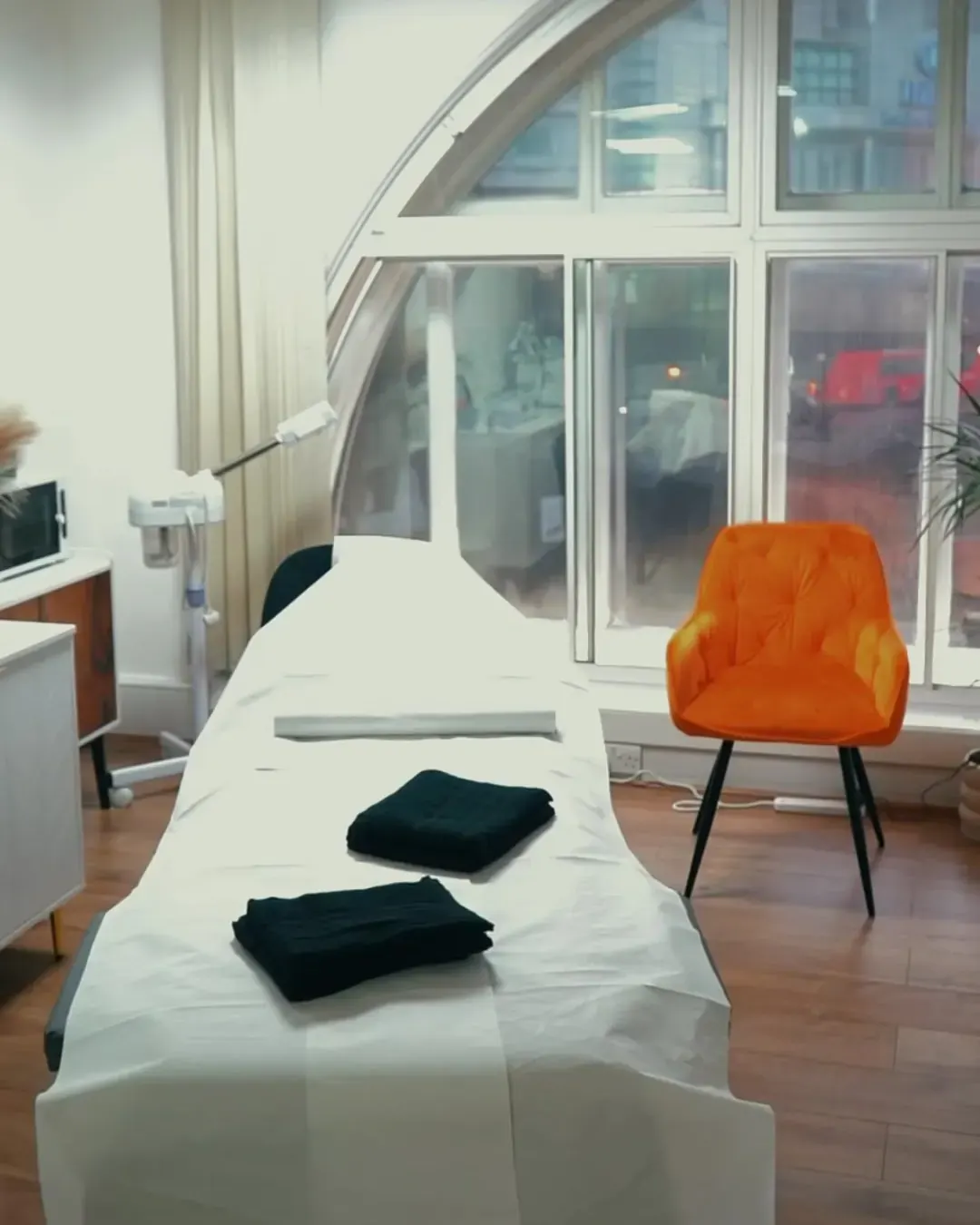
Laser hair removal for men reduces thick body hair and tidies the edges of a beard over a course of sessions, so you spend less time shaving and get fewer ingrown hairs. The result is long-term reduction: treated follicles produce finer, slower or fewer hairs, but some growth can return over time and occasional top-up sessions are normal.
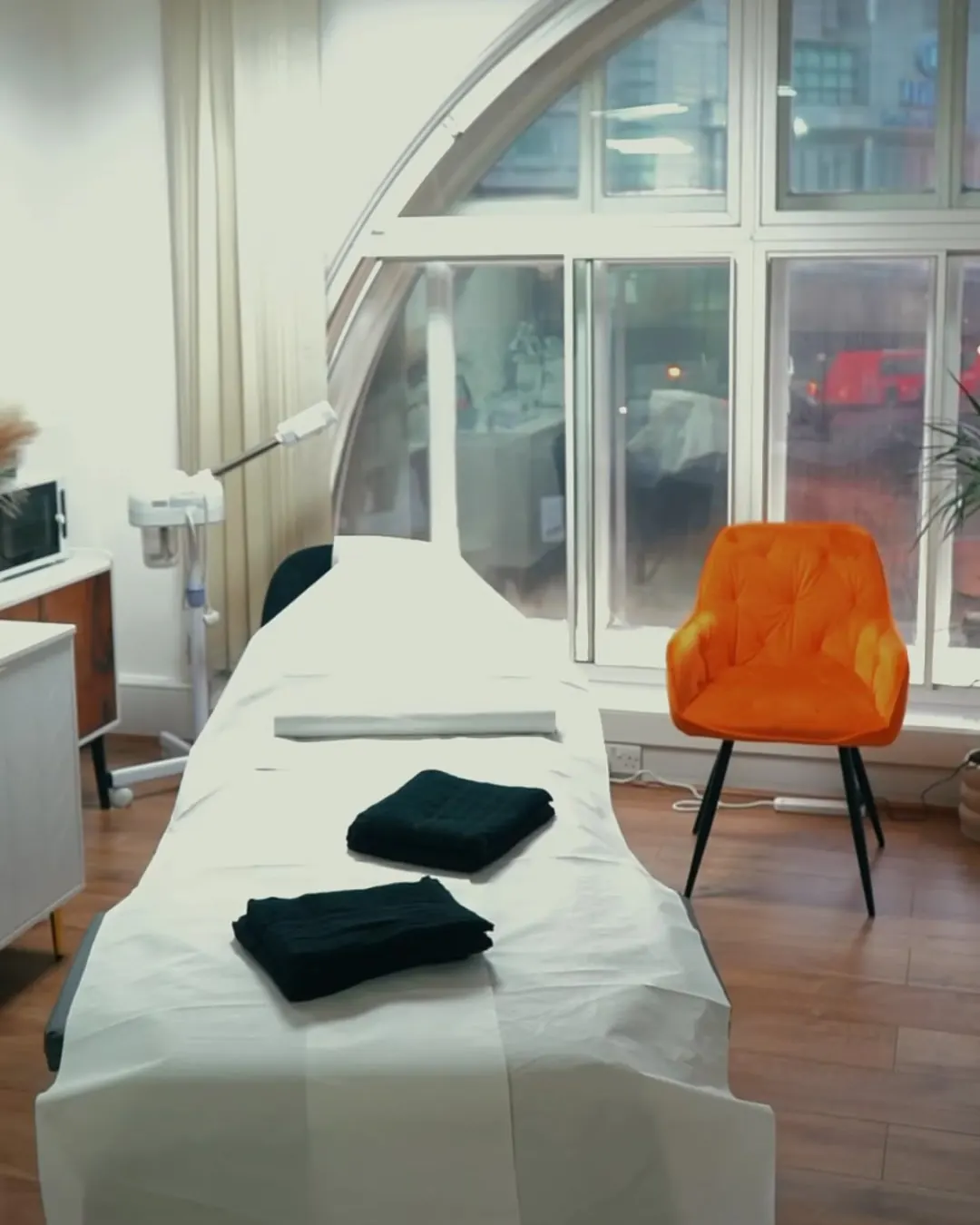
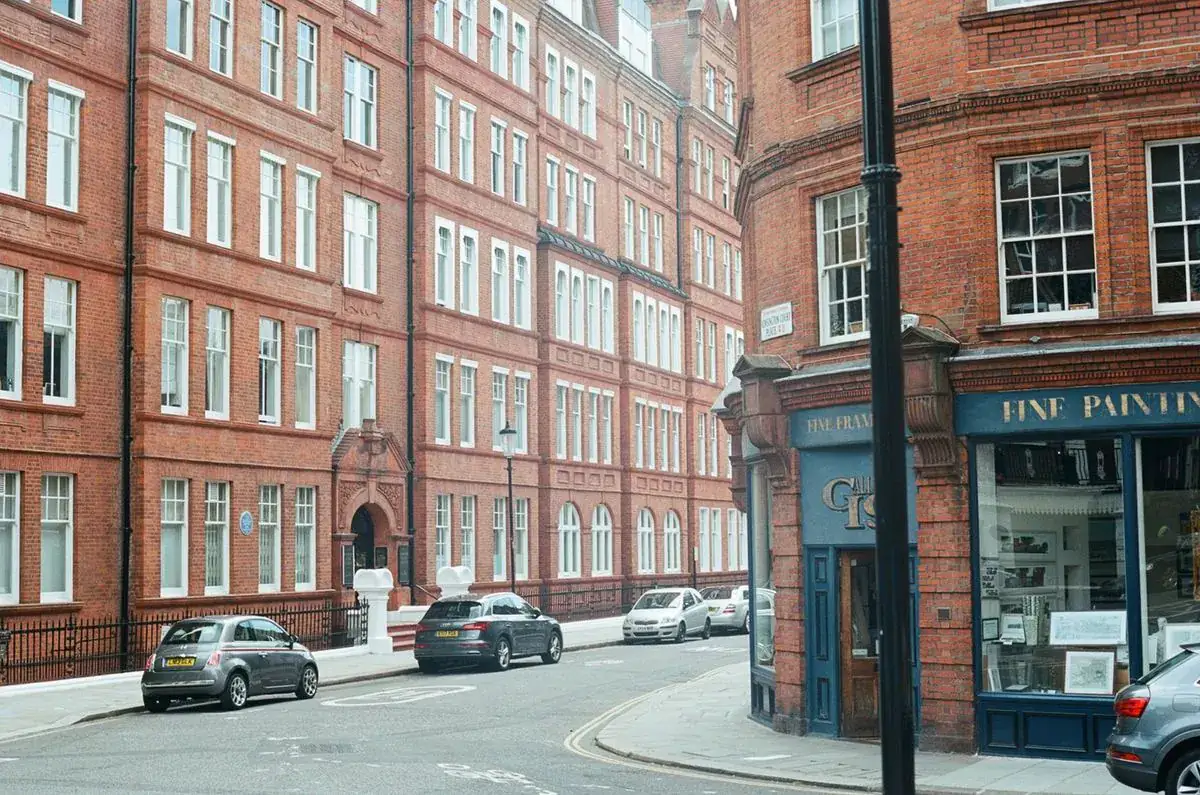
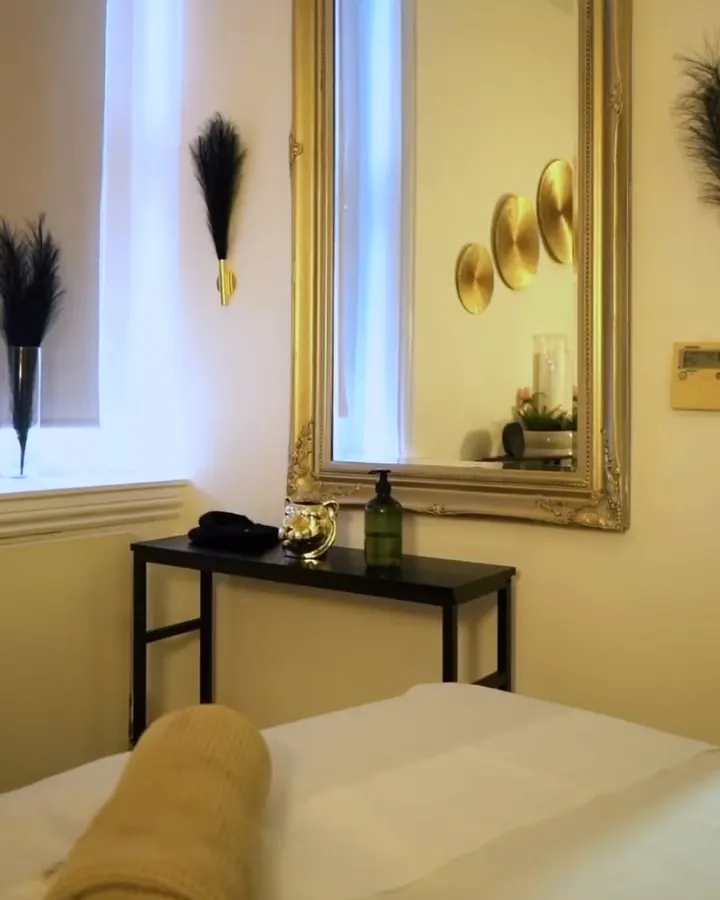
Our clinic at 304 Edgware Road, W2, offers both diode laser and IPL. The areas men ask us about most are the back, shoulders, chest, stomach and neckline. Some want an area cleared, some want dense hair thinned, and some simply want a cleaner beard edge.
Your plan starts with a free consultation and a patch test. The price is set at that consultation, because it depends on which areas you choose and how many sessions they need.
Which areas do men usually have treated?
Most men come in for one of three reasons: a hairy back or shoulders they are tired of asking someone to shave, a chest and stomach they want lighter or clear, or a neck that breaks out in razor bumps. All of these can be planned as single areas or combined in one visit.
- Back and shoulders: one of the larger areas, often treated together.
- Chest and stomach: including the line of hair that runs below the navel.
- Neck: the front of the neck under the jaw and the back of the neck above the collar.
- Face: the cheeks, sides of the face and jawline for beard shaping, plus between the eyebrows and the ears.
- Arms and hands: forearms, full arms and fingers.
You do not have to remove everything. Thinning dense chest hair so it looks lighter is a common, reasonable goal, and we will talk through what you want before anything is treated.
Can laser shape a beard line or clean up the neck?
Yes. Many men use laser to keep the cheek line and neckline crisp, so the beard still looks neat two or three days after a trim. Treating the hair that grows above the cheek line or low on the neck means less to shave and a cleaner edge.
Beard hair is more stubborn than body hair and usually needs more sessions than other areas. Facial hair also grows on a shorter cycle, so face and neck sessions tend to be booked closer together than back or chest sessions.
Because the reduction is long term, set your line conservatively. Beard styles change, and it is easier to take a little more away later than to wish you had kept it. Agree the shape with us at your consultation, before the first session.
Will it help with shaving rash and ingrown hairs?
It often does. Razor bumps, known medically as pseudofolliculitis barbae, happen when a shaved hair curls back and grows into the skin, causing red or dark bumps that can be sore. They are more common in men with coarse, tightly curled hair, and the neck is where they tend to be worst.
As laser reduces the number of hairs, there are fewer hairs left to grow inwards, and many men find that shaving rash on the neck becomes less frequent. It is not an overnight fix, and how much it helps varies from person to person. If razor bumps or ingrown hairs on the neck and beard line are your main reason for booking, our ingrown hairs and razor bumps page goes into them in more detail.
If the skin is currently infected, broken or very inflamed, it needs to settle before laser. If bumps are very painful, hot or swollen, or you feel feverish or unwell, see your GP before any laser treatment.
How do coarse hair and skin tone affect results?
Laser and IPL work by targeting melanin, the pigment in the hair. Thick, dark body hair carries plenty of it, which is why the back and chest usually respond well. Grey, white, red and very fair blonde hairs carry little pigment and respond poorly, so a beard with a lot of grey in it will only partly reduce.
Skin tone matters as well. The light should heat the hair, not the skin around it, so darker skin needs careful settings and the right method. Diode lasers are generally considered suitable for a wider range of skin tones than IPL. Your patch test, carried out 24 to 48 hours before the first full session, shows us how your skin reacts before we treat a larger area. More on deeper skin tones is on our laser hair removal for dark skin page.
How many sessions will a back or chest need?
For most body areas, including the back and chest, a course of six to eight sessions is typical, spaced four to eight weeks apart. Hair grows in cycles and only hairs in the active growth phase respond well, which is why the visits are spread out.
Most men notice thinner, patchier regrowth after the first few sessions. The beard line usually needs more than the body. Some hair is likely to return over the years, and top-up sessions once or twice a year are common. We review your progress at every visit and adjust the plan.
How should you prepare, and what about training?
- Stop waxing, plucking and epilating the area for about four weeks before your first session.
- Shave the area about 24 hours before each appointment. For your back, ask someone to help so the whole area is covered, and use a razor rather than a depilatory cream.
- Keep the area out of the sun and away from sunbeds and self-tan for several weeks beforehand.
- Arrive with clean skin, without aftershave, cologne, deodorant or body lotion on the treatment area.
After a session, skip the gym, hot baths, saunas and steam rooms for 24 to 48 hours. Redness and small raised bumps around each follicle are normal and usually settle within a few hours to a day or two. Use daily SPF on any treated skin that sees the sun, such as the neck.
After a session, expect redness and small raised bumps around the follicles for a few hours to a day or two, often with warmth like mild sunburn. Burns, blistering, crusting and changes in skin colour are less common risks, usually temporary and rarely lasting, which is why a patch test comes first and settings are matched to your skin. Get in touch if you see blistering or anything that worries you.
Who should not have treatment yet?
We will hold off if you are taking a medicine that makes skin sensitive to light, such as isotretinoin for acne or some antibiotics, or if you have an infection, cold sores or broken skin in the area. Tattoos in the treatment area are avoided, which matters for many men with chest, back or arm work, and raised moles are covered. A recent tan, a history of epilepsy triggered by light, or a skin condition that flares with heat also need discussing first.
If you would like a plan for your back, chest or beard line, book a free consultation by WhatsApp on 07479 973309, call 020 4619 8781, or use the booking form.
Laser hair removal for men: your questions answered
Is laser hair removal for men different from treatment for women?
The methods are the same. What changes is the plan: men's body hair is often denser and coarser, the areas are larger, and the beard is more resistant than most body hair, so session numbers and spacing are set around that.
Does back laser hair removal hurt?
Most men find it manageable. Each pulse feels like a quick snap with a moment of warmth, and dense areas can feel more intense in the first sessions. Cooling is used throughout, and settings can be adjusted if you are uncomfortable.
Can I keep shaving during the course?
Yes. Shaving leaves the root in place, which the light needs to find. Avoid waxing, plucking and epilating while your course is running, because they pull out the root and weaken the next session.
Will my beard look patchy part way through?
It can, for a while. Treated hairs shed over one to three weeks and regrowth often comes back thinner and uneven before the next session. This is a normal stage of a course, which is another reason to plan beard work gradually.
Can you treat the chest if I have tattoos there?
We treat around tattoos rather than over them, so the inked skin is left alone. If you want to fade a tattoo instead, that is a separate treatment we can discuss.
How much does laser hair removal for men cost?
It is priced at your consultation, because the cost depends on the areas, their size and the number of sessions in your plan. The consultation is free, and your patch test comes before your first full session.