Melasma is a long-lasting skin condition that causes larger, often symmetrical brown or grey-brown patches, most often across the cheeks, the forehead and above the upper lip. No treatment clears it for good. What a careful plan can do is make the patches lighter and less noticeable, and help you keep them that way.
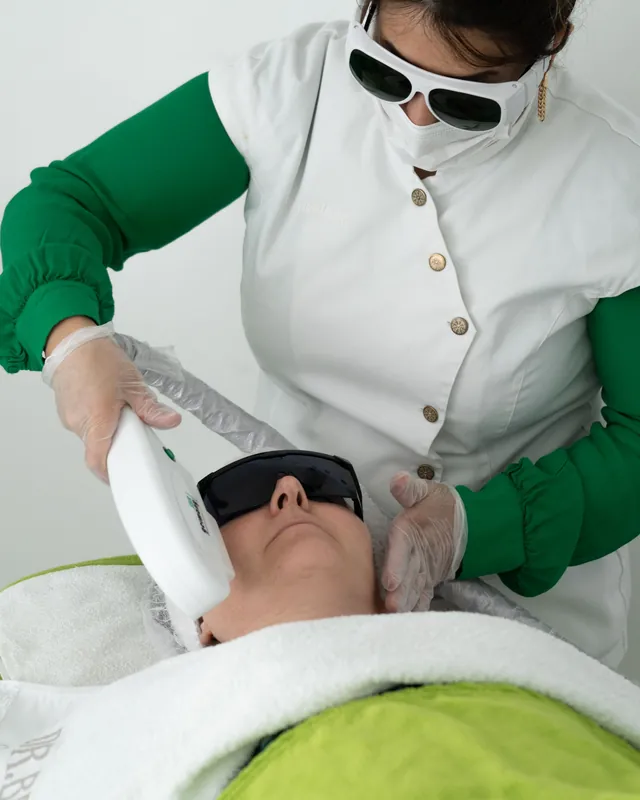
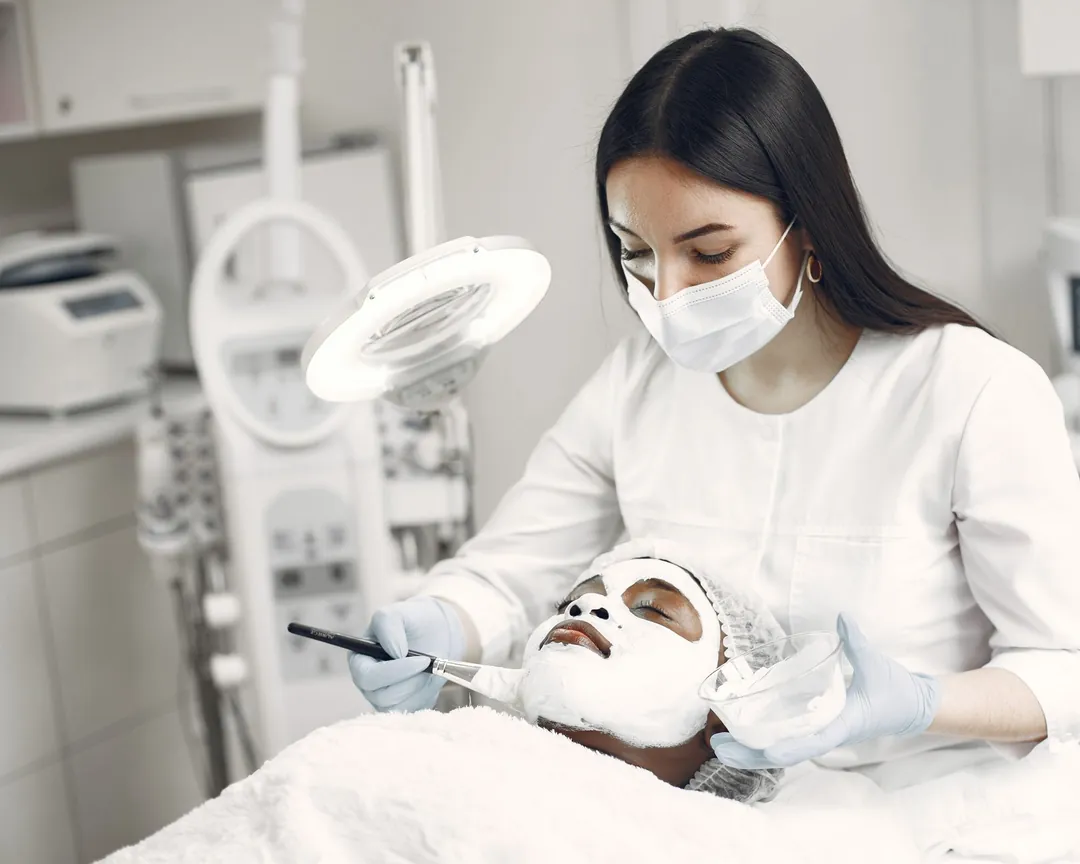
At ZARA, 304 Edgware Road, London W2, melasma is treated through our pigmentation service, using a cautious approach that avoids anything likely to inflame or overheat the skin. The service has two appointments, the 1 hour Pigmentation treatment at £159 and the 2 hour Pigmentation facial at £175. Which one suits you, and whether you should see your doctor first, is decided at a free consultation.
Daily sun protection is the foundation of every melasma plan. Without it, even a good result tends to darken again.
What triggers melasma?
Melasma happens when pigment cells in certain areas become overactive. The exact cause is not fully understood, but the triggers are well known:
- Hormones. Pregnancy, the contraceptive pill and hormone treatments are common triggers, which is why melasma in pregnancy is sometimes called chloasma or the mask of pregnancy.
- Sunlight. Ultraviolet light can darken existing patches quickly, sometimes within days of strong sun.
- Visible light and heat. Bright light and heat, such as long saunas or hot yoga, can also play a part.
- Genes and skin tone. It is more common in women and in people with medium or darker skin, and it often runs in families.
Some medicines are also linked to new pigmentation. If your patches appeared after starting a new medicine, mention it to your GP and to us at consultation.
Why is melasma managed rather than removed?
Melasma behaves more like a long-term tendency than a one-off mark. The pigment cells involved stay sensitive, so the triggers that caused the patches can bring them back after they have faded. That is why we talk about managing melasma: lightening it, keeping it calm and acting early when it starts to darken again.
Many people see a clear improvement and are happy with how their skin looks. It is still sensible to expect that summer sun, a pregnancy or a change in hormones may cause it to return, and to plan for ongoing care rather than a single course.
Melasma that appears during pregnancy sometimes lightens by itself in the months afterwards, so waiting is often the wiser first step.
Why can some treatments make melasma worse?
Melasma-prone skin reacts badly to heat and inflammation. Aggressive lasers and strong peels can trigger a rebound, leaving the patches darker than they were before. The risk is higher in medium and darker skin tones, which are also more likely to develop new dark marks after any irritation.
For that reason, assessment comes before any treatment. We look at where the pigment sits, when it first appeared and what seems to darken it, and we may suggest a test patch, gentler settings or a slower plan. Our carbon laser peel, for example, is a treatment we usually advise against where melasma could be aggravated by heat.
How should you protect melasma-prone skin from the sun?
Sun protection does more for melasma than any single appointment. A few habits make the difference:
- Wear a broad-spectrum SPF 30 to 50 every day, including cloudy days and winter, and apply it generously.
- Consider a tinted mineral sunscreen, because the tint helps block some visible light as well as UV.
- Reapply when you are outdoors for long periods, and add a wide-brimmed hat in strong sun.
- Avoid sunbeds completely.
- Cut down on intense heat where you can, especially in the weeks after a session.
If you only change one thing, make it daily sunscreen. It protects the result of every treatment we offer.
Which treatment at ZARA suits melasma?
Melasma is assessed and treated through our pigmentation service, which has two appointments:
- Pigmentation treatment, £159, 1 hour. A focused appointment, with the method chosen for your skin after assessment.
- Pigmentation facial, £175, 2 hours. A longer, facial-based appointment.
The method is chosen at consultation from options such as a facial-based treatment, a chemical peel or a laser, and with melasma we lean towards whatever is least likely to inflame the skin.
Many people also need a prescription cream to keep melasma under control, and only a GP or dermatologist can provide one. Where patches are widespread, spreading, or appeared after you began a new medicine, we may suggest a doctor's appointment before you start with us, or at the same time.
Expect a course rather than a single visit. Melasma usually takes longer to respond than sun spots, needs ongoing upkeep and sometimes lightens only partly. If we suggest a course, you get the total cost before you commit.
Who should wait before treating melasma?
Please hold off, or choose another route, if you:
- Are pregnant or breastfeeding, as many lasers and some peels are avoided at this time
- Have a current tan, sunburn or recent sunbed use
- Take a medicine that makes skin sensitive to light, or have taken isotretinoin in the last six months
- Have active cold sores, infection or broken skin on the area
- Have a history of keloid scarring
- Have a patch or mole that is new, changing or not yet diagnosed
Any mark that is changing, bleeding or irregular should be checked by a GP or dermatologist before cosmetic treatment.
Close to Marylebone, Bayswater and Notting Hill
ZARA is at 304 Edgware Road, around 50 metres from the Bakerloo line entrance at Edgware Road station. Marylebone station is about a 9 minute walk away, and from Notting Hill Gate or Bayswater the Circle and District lines run to Edgware Road on Chapel Street, 2 to 3 minutes from our door. Autumn and winter are a sensible time to begin, while strong sun is easier to avoid.
Book a free melasma consultation through our booking form, on WhatsApp at 07479 973309 or by phone on 020 4619 8781.
Melasma treatment: your questions answered
Can melasma be removed for good?
No treatment can promise that. Melasma can usually be lightened and kept under control, but the tendency stays, and patches often return with sun, pregnancy or hormonal change. Most people plan for ongoing care.
Why did my melasma come back after it faded?
The pigment cells involved remain sensitive. A summer holiday, a pregnancy, a change of contraception or a few weeks without sunscreen can switch them back on. A return does not mean treatment failed, but it is a signal to tighten sun protection and review the plan.
Can I have laser treatment for melasma?
Sometimes, but only with real caution. Heat and strong settings can leave melasma darker than before, so laser is considered only after assessment, and we may suggest a test patch or a different approach altogether.
Does the contraceptive pill cause melasma?
It is one of the recognised hormonal triggers, along with pregnancy and hormone treatments. If you think the pill is linked to your patches, talk to your GP before changing anything, and never stop a prescribed medicine on your own.
Can I treat melasma while pregnant?
We would usually wait. Lasers and some peels are not used while you are pregnant or breastfeeding, and patches that appear in pregnancy often lighten in the months after the birth. Until then, a gentle routine and daily SPF are the safest steps.
How is melasma different from sun spots?
Sun spots are usually smaller, well-defined brown marks built up over years of sun, and they often respond well. Melasma tends to form larger, matching patches on both cheeks, the forehead or the upper lip, is linked to hormones as well as light, and needs a gentler, longer approach.
How much does melasma treatment cost?
Per session, the Pigmentation treatment costs £159 and lasts 1 hour, and the Pigmentation facial costs £175 and lasts 2 hours. Melasma usually needs a course, and the plan and total price are confirmed at your free consultation.
Will I need a prescription cream as well?
Often, yes. Prescription creams are a key part of managing melasma for many people, and only your GP or a dermatologist can prescribe them. Treatment with us can sit alongside your doctor's advice.