Hair loss in women is common, and it rarely has a single cause. Low iron, thyroid problems, hormonal changes including PMOS (previously called polycystic ovary syndrome or PCOS) and the menopause, stress, illness, having a baby and genetics can all thin the hair, sometimes in combination. Because several of these need medical tests and treatment, your GP is the right first stop, especially if the loss is sudden or patchy.
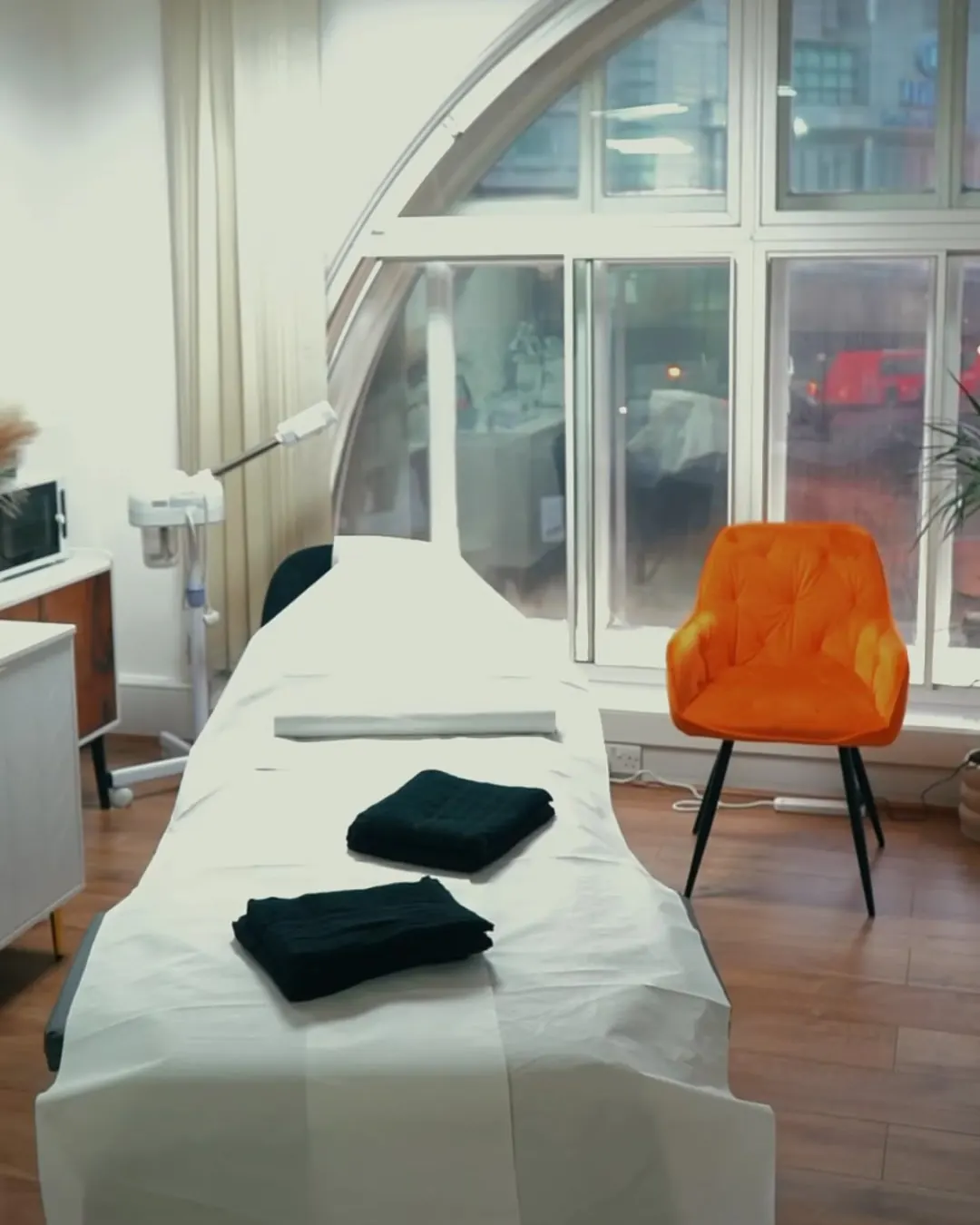
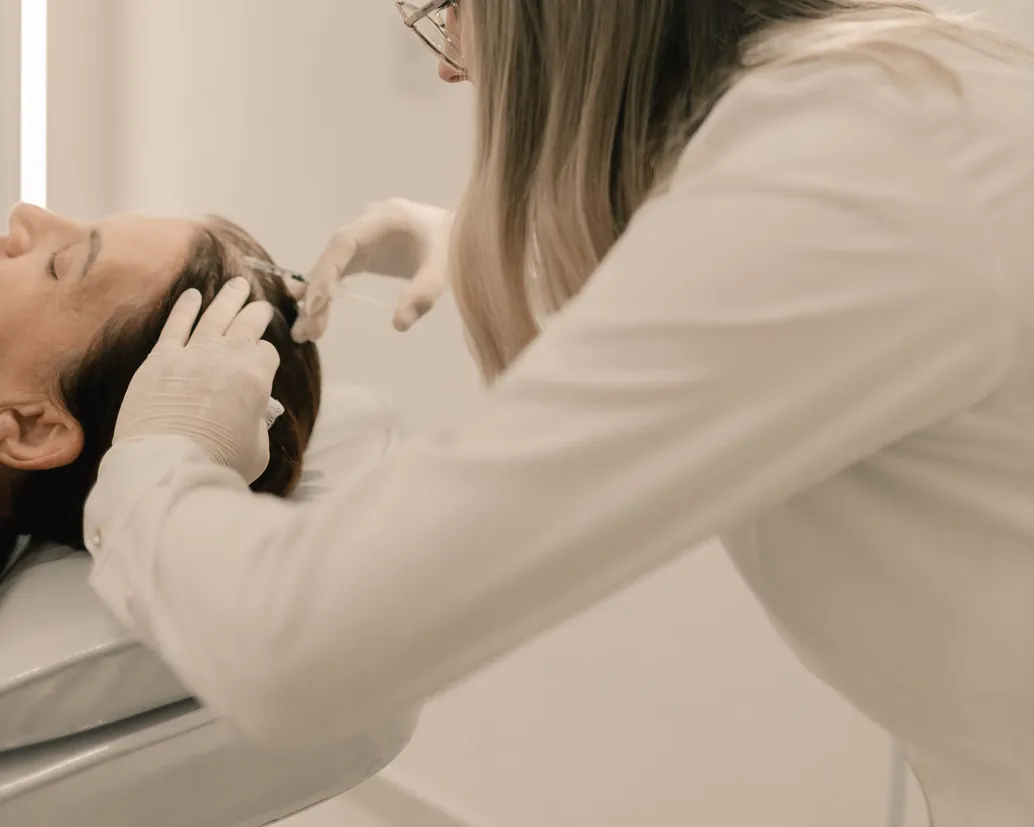
At ZARA, 304 Edgware Road, we offer PRP hair treatment, which uses platelet-rich plasma prepared from a small sample of your own blood and injected into thinning areas of the scalp. It may help some women with gradual thinning where the follicles are still active. Results vary, some people see little change, and we will not promise regrowth.
A before and after photo of one client, taken after three sessions, is on our PRP hair treatment page. It is one person's result, and yours may differ.
PRP Hair is £150 per session. A course is often recommended, with sessions usually around a month apart, and your plan and total cost are set out at a free consultation.
Why do women lose hair or notice thinning?
The pattern of loss can hint at the cause, although only a medical assessment and, often, blood tests can confirm it.
- Female pattern hair loss: gradual thinning over the top of the head and a widening parting, which often runs in families and becomes more common after the menopause.
- Shedding after a trigger: heavy shedding a few months after childbirth, illness, an operation, a crash diet or a very stressful period. This often settles by itself.
- Iron and thyroid: low iron stores and an underactive or overactive thyroid can both cause thinning all over the scalp.
- Hormones: conditions such as PMOS, and the changes around pregnancy and the menopause, can affect hair growth.
- Pulling on the hair: tight braids, extensions and ponytails worn for long periods can thin the hairline.
- Patchy loss: round bald patches can be a sign of alopecia areata, which needs a medical opinion.
Why should you see your GP before PRP?
If your hair loss comes from something like low iron or a thyroid problem, treating that cause matters far more than anything placed in the scalp, and PRP is less likely to help while it remains unaddressed. A GP can arrange blood tests, review your medicines and refer you on if needed.
Speak to your GP first if the loss is sudden, the hair comes out in clumps, you have bald patches, or your scalp is itchy, scaly, burning or painful. The same applies to shedding that follows illness, childbirth or a new medicine. Bring any results to your consultation with us, as they help us judge whether PRP makes sense for you.
What can PRP do for thinning hair in women?
Platelets carry growth factors that take part in the body's repair processes. The idea behind PRP is that concentrating them and placing them in the scalp may support follicles that are still working but producing finer, weaker hair than before. It is most often considered for gradual, pattern-type thinning, such as a widening parting or more scalp showing at the crown or temples.
Over a course, some women find their hair looks fuller or they lose fewer hairs day to day. Others notice little difference. PRP does not create new follicles, will not bring back hair where the scalp has been bald for a long time and does not stop hair loss for good. It can run alongside treatment recommended by your GP or another specialist, and you should never stop a prescribed treatment without speaking to the prescriber.
What happens at a PRP hair appointment?
- You tell us when the thinning began, whether it runs in your family, and about your health, medicines and recent blood tests.
- We look closely at your scalp and, if you agree, take photographs so progress can be compared later.
- A small amount of blood is taken from your arm and spun in a centrifuge to concentrate the platelets.
- After the scalp is cleaned, we talk through ways to keep you comfortable.
- The plasma is placed in small amounts across the thinning areas, working through your existing hair.
Each visit is booked as a 40-minute appointment. You do not need to shave or cut your hair, and most women can style it as usual by the next day.
How many sessions, and when will you know if it is working?
PRP for hair is rarely a one-off. A course is often recommended at consultation, with sessions usually around a month apart, then maintenance every few months if you are happy with progress. Hair grows slowly, so it is sensible to wait around three to six months before deciding whether it has helped.
How you respond depends on the cause and stage of thinning, your general health and how regularly you attend. Any improvement usually needs ongoing maintenance to hold. Progress photographs, taken with your permission, make it easier to see whether continuing is worthwhile.
Who should not have PRP hair treatment?
PRP may not be right for you during pregnancy or breastfeeding, with a blood or platelet disorder, while taking blood thinners, with a scalp infection, or during cancer treatment. Treatment is for adults aged 18 and over, and you may be asked to show photo ID. If recent childbirth or a stressful event is behind your shedding, hair often recovers once the body settles, so waiting and checking in with your GP may be the wiser first step.
What is aftercare like after scalp PRP?
The scalp can feel tender, tight or slightly swollen for a day or two, with some redness or tiny spots of bleeding where the injections went in. A headache or a bruise where the blood was taken is possible, and infection is rare. Leave washing until the next day and use a mild shampoo, hold off on colour, chemical treatments and heat styling for a few days, and skip saunas, swimming and hard exercise for 24 to 48 hours. Try not to scratch or rub the scalp while it settles.
Close to Maida Vale, Little Venice and Paddington
A course only works if the clinic fits your week. ZARA is at 304 Edgware Road, W2, about 50 metres from the Bakerloo line station, on the same line as Warwick Avenue, Maida Vale and Paddington. Little Venice is around a 12 to 14 minute walk. Evening appointments run until 8pm Monday to Saturday, with Sunday and bank holiday hours from 1pm to 5pm.
Book a free hair consultation by WhatsApp on 07479 973309, by calling 020 4619 8781 or with the booking form, and bring any blood test results you have.
Hair loss treatment for women: your questions answered
Is PRP suitable for hair loss after having a baby?
Shedding a few months after having a baby is common and usually settles by itself, so PRP is not a first step. If the shedding carries on or worries you, see your GP. PRP may not suit you while you are breastfeeding.
Can PRP help thinning linked to PMOS?
Thinning related to PMOS (PCOS) needs medical management first, usually through your GP. PRP may be discussed as an addition once that is in hand, but whether it helps varies and we cannot predict it for any individual.
Will PRP help thinning around the menopause?
Thinning around the menopause is often pattern-type, which is the kind PRP is most often considered for. Some women see thicker-looking hair over a course, while others notice little change. A GP review first is still sensible.
What should I ask my GP to check?
Your GP will decide which tests suit you. Tests often used when women notice hair loss include iron levels and thyroid function, and hormone levels where relevant. Bring the results to your consultation.
How does the scalp feel during PRP?
Most women feel stinging or pressure with each injection, and the scalp can be sensitive. We talk through ways to keep you comfortable before starting, and we can pause whenever you need a break.
How much does PRP for women's hair loss cost?
Each PRP Hair session at ZARA costs £150. Because a course is often advised, ask us to set out the likely number of sessions and the total before you begin.