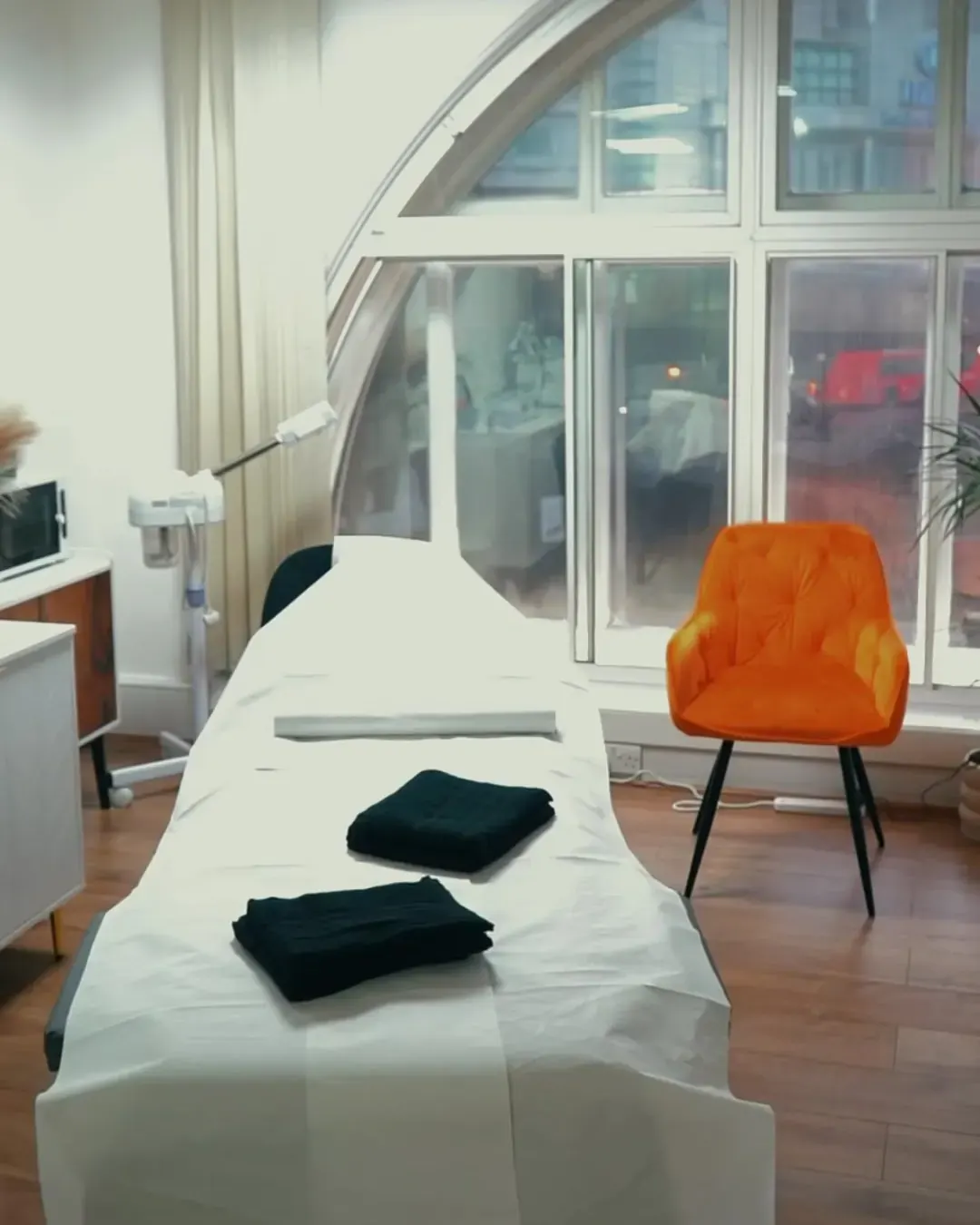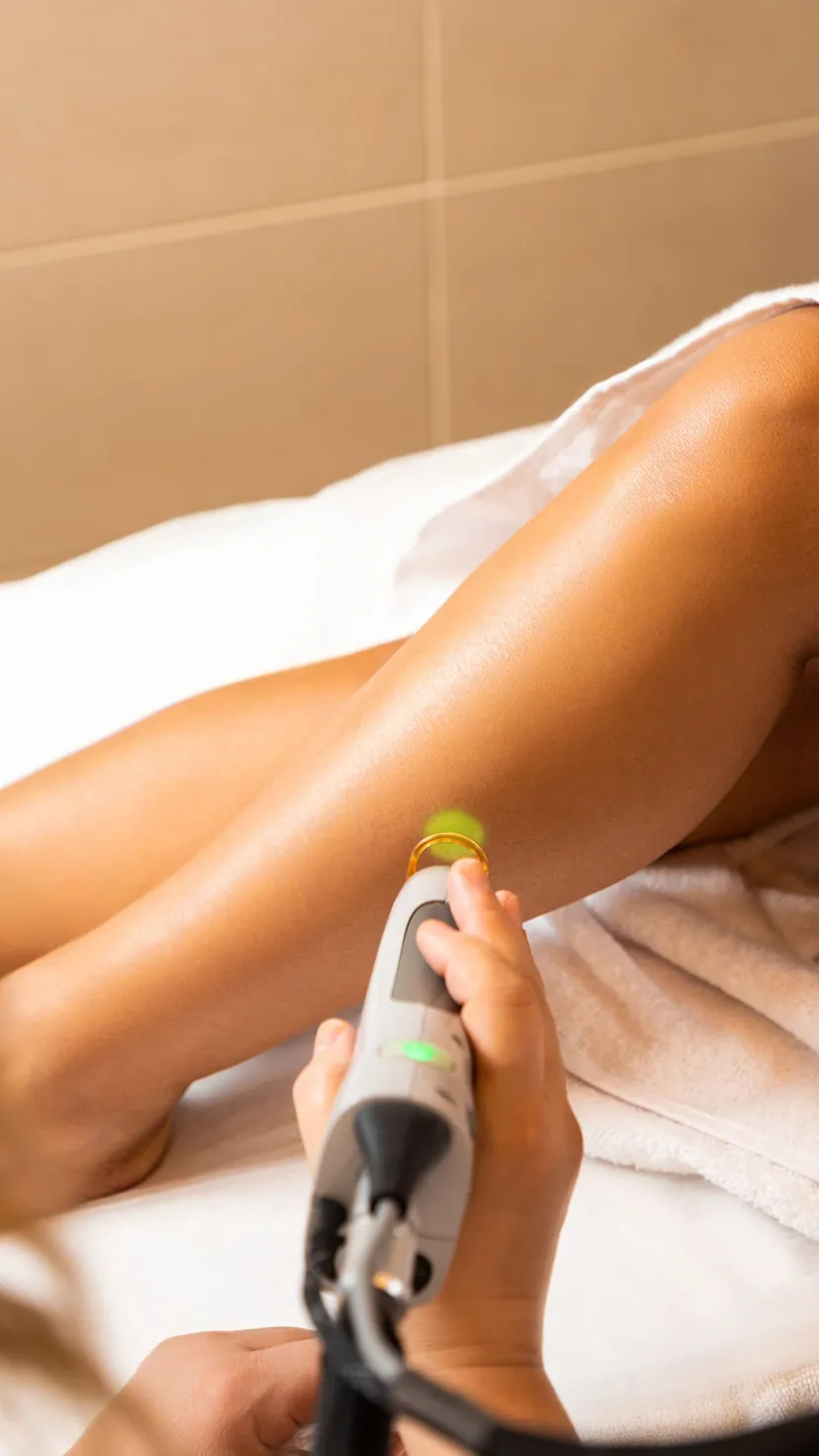
Ingrown hair treatment at ZARA means laser hair reduction: fewer hairs growing back, so fewer hairs can curl into the skin. Razor bumps and ingrown hairs are a common reaction to removing coarse or curly hair, and they tend to keep coming back for as long as the same hair is shaved or waxed in the same way.
At our clinic on Edgware Road, London W2, we offer diode laser and IPL. As treated follicles produce finer, slower or fewer hairs, there is less hair left to grow inwards, and many people find their bumps settle down. It is long term reduction rather than complete removal, it takes a course of sessions, and how much it helps varies from person to person.
Every plan starts with a free consultation and a patch test. Laser hair removal is priced at that consultation.
Why do ingrown hairs and razor bumps happen?
An ingrown hair is a hair that grows back into the skin instead of up and out of it. When a hair is cut at the surface, the sharp tip can curl round and pierce the skin beside the follicle, or a regrowing hair can get trapped under dead skin before it breaks through. The skin treats it like a splinter, and a red or dark, itchy, sometimes tender bump appears.
- Hair type: coarse, tightly curled hair is the most likely to bend back into the skin.
- Shaving: close shaves, blunt blades and shaving against the grain leave sharp, short tips.
- Waxing and plucking: hair pulled from the root can regrow at an angle or break under the surface.
- Friction: tight clothing, collars and underwear rubbing on freshly removed hair add irritation.
Razor bumps on the beard area and neck have a medical name, pseudofolliculitis barbae. They are especially common in people with curly beard hair who shave often.
How can laser hair reduction help with ingrown hairs?
Laser and IPL heat the pigment in the hair, and that heat damages the follicle's ability to grow a new one. After a course, the hairs that do return are usually finer and sparser. A finer hair is less able to pierce the skin, and fewer hairs mean fewer chances for one to become trapped.
It also means less shaving and no waxing, so the skin gets a break from the daily cycle of cutting and regrowth.
Laser does not treat an ingrown hair that is already there, and it is not a treatment for infection. Think of it as reducing the supply of new ingrown hairs over the months of a course. Because the light targets pigment, dark hair responds most reliably, and white, grey, red or very fair hair responds poorly.
Which areas are most prone, and can they all be treated?
Ingrown hairs cluster wherever coarse hair meets regular shaving or waxing. All of these areas can be treated:
- Neck and beard line: the front of the neck under the jaw is where razor bumps are usually worst. Laser can thin the hair there while the beard itself is kept. See laser hair removal for men.
- Bikini line: curly hair and close-fitting underwear make ingrown hairs on the bikini line very common. See Brazilian laser hair removal.
- Underarms: daily shaving in a fold of skin is a frequent cause of irritation. See underarm laser hair removal.
- Legs: the shins and backs of the thighs often bump after waxing. See leg laser hair removal.
What should you do about hair between sessions?
Shaving is allowed throughout the course, and is in fact needed before each visit, because it leaves the root in place for the light to find. Waxing, plucking, threading and epilating are not, since they take the root out. Stop them about four weeks before your first session.
To keep bumps down while the course works, these general habits help many people:
- Use a sharp, clean razor and shave in the direction the hair grows.
- Shave on wet skin with a gentle gel, and avoid pulling the skin tight.
- Leave at least 1mm of stubble rather than chasing the closest possible shave, and skip a day between shaves where you can, or try an electric razor.
- Do not pick at, squeeze or dig out an ingrown hair, as that can lead to infection, marks or scarring.
- Wear looser clothing over freshly shaved skin where you can.
Treated hairs shed over one to three weeks after a session. Let them come away by themselves.
When does an ingrown hair need a GP instead?
NHS advice is that most ingrown hairs get better on their own. A pharmacist can suggest products to ease itching and irritation, exfoliating products or a mild antiseptic. See your GP if:
- an ingrown hair, or the skin around it, is very painful, hot or swollen
- you have an ingrown hair and a high temperature, or you feel hot, cold, shivery or very unwell
If you think the skin itself has become infected (cellulitis), NHS advice is to ask for an urgent GP appointment or get help from NHS 111 if your skin is painful, hot and swollen, and to call 999 or go to A&E if you also feel dizzy, faint or confused, or have a fast heartbeat or fast breathing.
Painful lumps that keep returning in the armpits or groin can be a different skin condition, hidradenitis suppurativa, which can be mistaken for ingrown hairs, so a GP should look at those. If it turns out to be simple ingrown hairs, laser can be considered once any infection has fully cleared. If a GP diagnoses hidradenitis suppurativa, follow their advice before any hair removal.
What can you realistically expect?
Most people notice regrowth getting thinner and patchier after the first few sessions, and a typical course for body areas is six to eight sessions, spaced four to eight weeks apart. Ingrown hairs usually become less frequent as the course goes on, not all at once.
How well it works depends on your hair colour and thickness, your skin, the area and your hormones. Some hair is likely to come back over the years, and occasional top-up sessions are common. Dark marks left behind by old bumps are a separate issue from the hair, and can be looked at with pigmentation treatment once the hair is under control.
Laser has side effects of its own. Redness and small bumps around each treated follicle are normal and usually go down within a few hours to a day or two. Less common risks are burns, blistering, crusting and changes in skin colour, which are usually temporary and only rarely last. Razor bumps are most common in people with tightly curled hair and deeper skin tones, where these risks need extra care, so the method and settings are chosen at consultation and a patch test always comes first. See laser hair removal for dark skin.
Who should wait before laser for ingrown hairs?
We will not treat skin that is infected, broken or very inflamed, so active bumps may need to settle first. Treatment is also postponed during pregnancy, while you take a medicine that makes skin sensitive to light such as isotretinoin or some antibiotics, and if the area has a recent tan, sunbed use or self-tan. Tattoos in the area are avoided, and a history of light-triggered epilepsy or a skin condition that flares with heat needs discussing first.
To find out whether laser suits your skin and hair, book a free consultation by WhatsApp on 07479 973309, by phone on 020 4619 8781 or with the booking form.
Ingrown hair treatment: your questions answered
Is laser a treatment for ingrown hairs I already have?
Not directly. It reduces the hair that would grow back and cause new ones. Existing bumps usually settle on their own, and any that look infected should be checked by a GP before laser.
Can laser help with pseudofolliculitis barbae on the neck?
It often helps. By thinning the hair under the jaw and on the neck, there are fewer curly hairs to bend back into the skin. Beard hair is stubborn, so expect more sessions than for body areas, with face and neck visits spaced closer together.
Will laser stop ingrown hairs on my bikini line?
Many people find they become far less frequent as the hair reduces, though we cannot promise they will stop entirely. Your plan, including how much of the area to treat, is discussed privately at consultation.
Do I need a patch test?
Yes. A small area is tested 24 to 48 hours before your first full session, so we can see how your skin responds to the settings before treating more.
How much does ingrown hair treatment cost?
Laser hair removal is priced at your free consultation, because the cost depends on which areas are treated and how many sessions your plan needs.