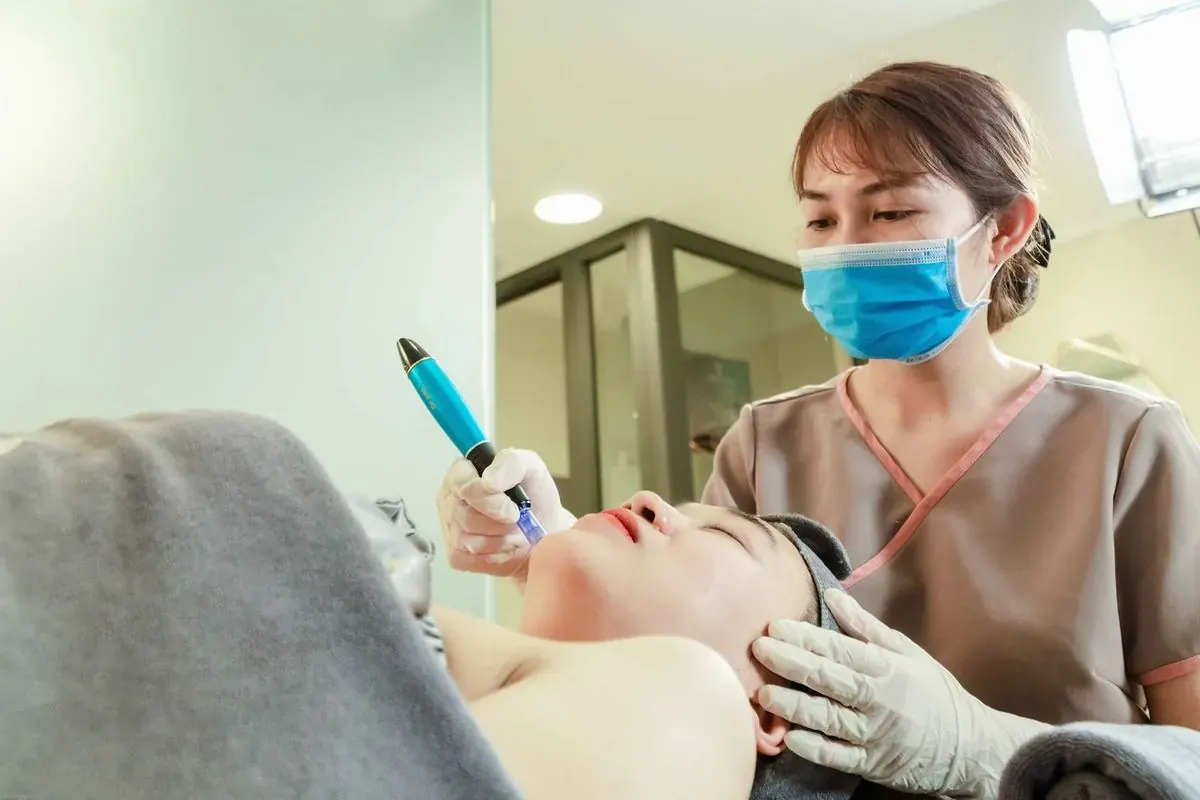
Acne scar treatment aims to soften the dents, uneven texture and marks that acne can leave behind, using treatments that encourage the skin to repair and rebuild collagen. It suits people whose breakouts have settled and who want smoother-looking skin, and it improves scars gradually over a course rather than erasing them. At ZARA, 304 Edgware Road, London W2, a scar lifting session costs £120 and lasts 2 hours 30 minutes. If you still have active spots, we also offer an acne treatment at £145 and an acne facial at £175, both one hour. Every plan starts with a consultation, where we look at your scar types and medical history before recommending anything.
Types of acne scar and why they matter
Acne scars form when deep inflammation damages the collagen under a spot. The skin either loses tissue, leaving a dent, or makes too much, leaving a raised scar. Most people have a mix, and the type affects which treatment is likely to help.
- Rolling scars are broad, shallow dips with soft edges that give the skin a wavy look, especially in side lighting.
- Boxcar scars are wider depressions with sharper, steeper edges, often on the cheeks and temples.
- Ice pick scars are narrow and deep, like a small puncture. They are the hardest type to improve.
- Hypertrophic and keloid scars are raised. Keloids spread beyond the original spot and are more common on the jawline, chest and back.
Rolling and shallow boxcar scars tend to respond best to collagen-building treatments. Ice pick and raised scars usually respond less, and we will tell you so at consultation.
Marks or scars: how to tell the difference
Many people who come in about scarring actually have flat marks rather than true scars. Post-inflammatory hyperpigmentation leaves brown or dark patches where spots used to be, and it is common in medium and darker skin tones. Post-inflammatory redness leaves pink or purple marks, more often on lighter skin.
These marks affect colour and leave the skin surface smooth. They often fade on their own over months, helped by daily SPF. Run a finger over the area: if the skin feels smooth, it is probably a mark. If you can see a dip or a bump in angled light, it is more likely a scar. Marks and scars are treated differently, so for stubborn dark patches our pigmentation treatment page may be more relevant.
Acne scar removal options at our Edgware Road clinic
Acne scar removal is the phrase most people search for, but no treatment removes scars completely. What these options can do is make them shallower and less noticeable. We usually suggest one main treatment and sometimes combine approaches over a longer plan.
- Scar lifting is a scar-focused session at £120, booked for 2 hours 30 minutes. The technique is chosen at consultation to suit your scar types.
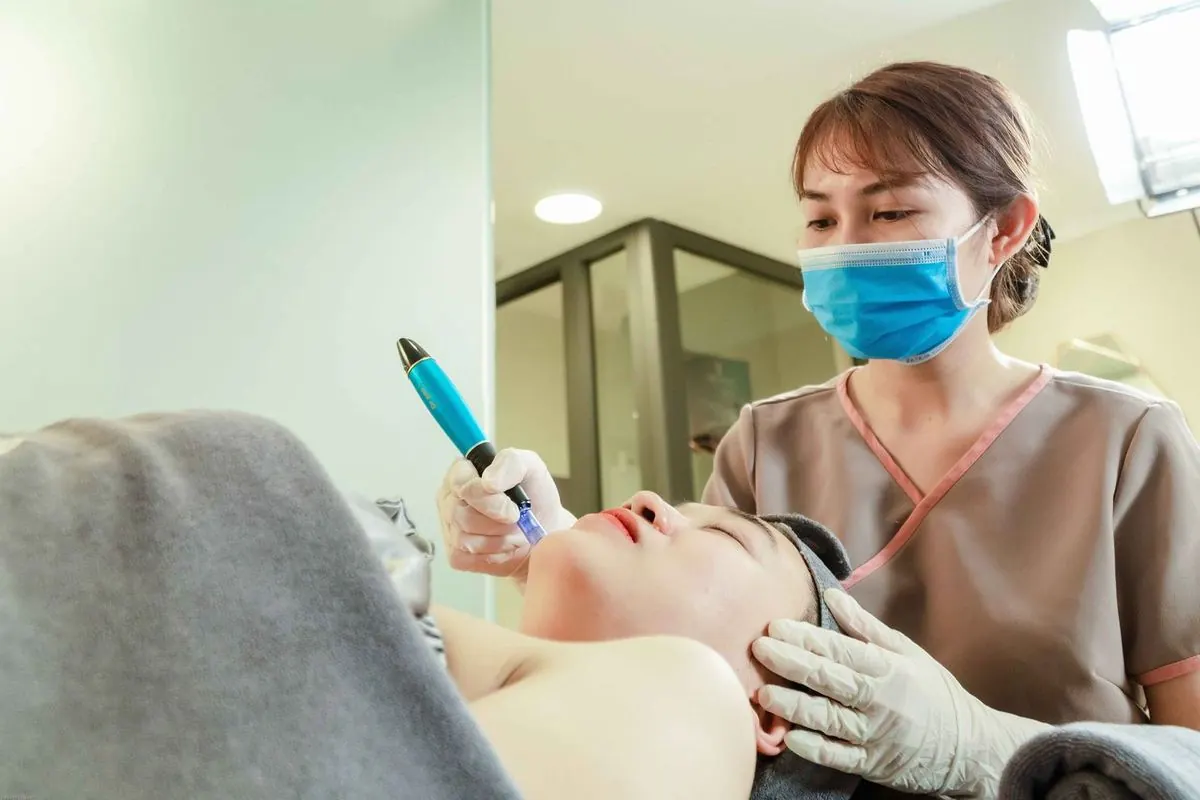
- Microneedling at £120 per session creates fine channels in the skin to prompt new collagen. It is often chosen for rolling and boxcar scars and uneven texture.
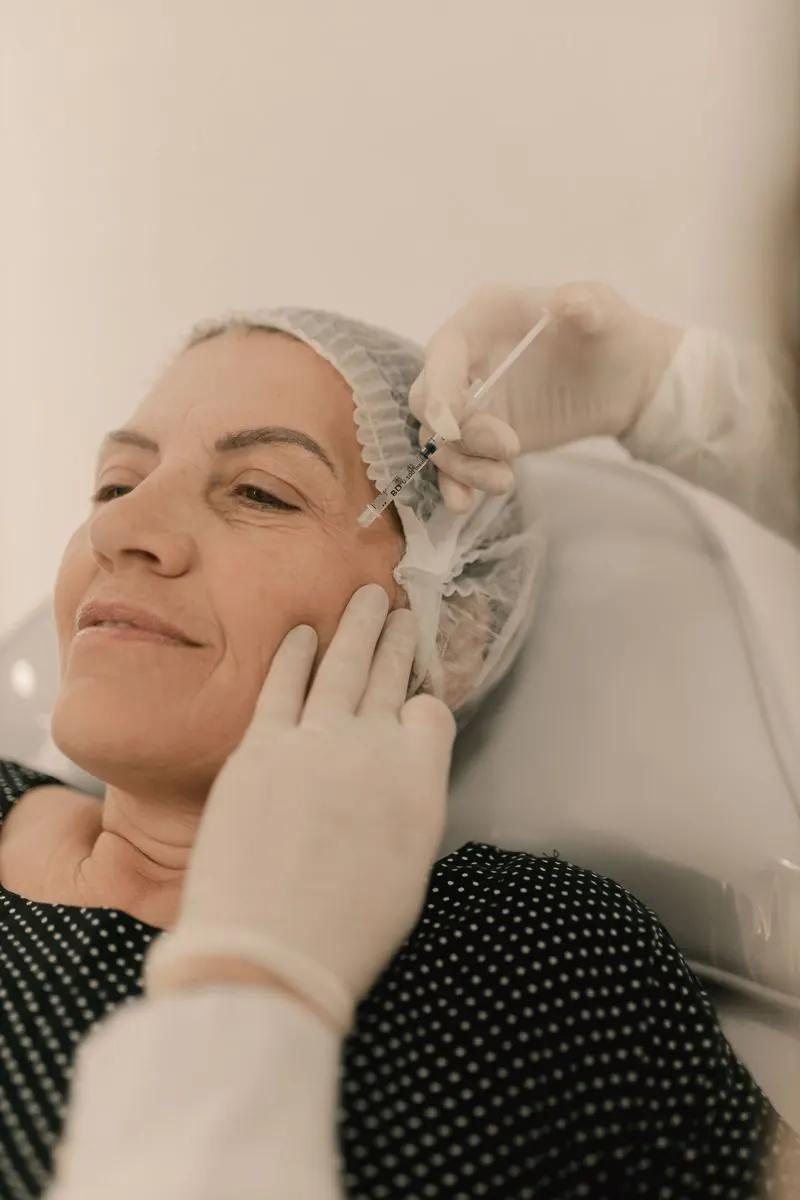
- A PRP facial at £150, sometimes called the vampire facial, uses platelet-rich plasma from a small sample of your own blood. It is often combined with needling for acne scars.
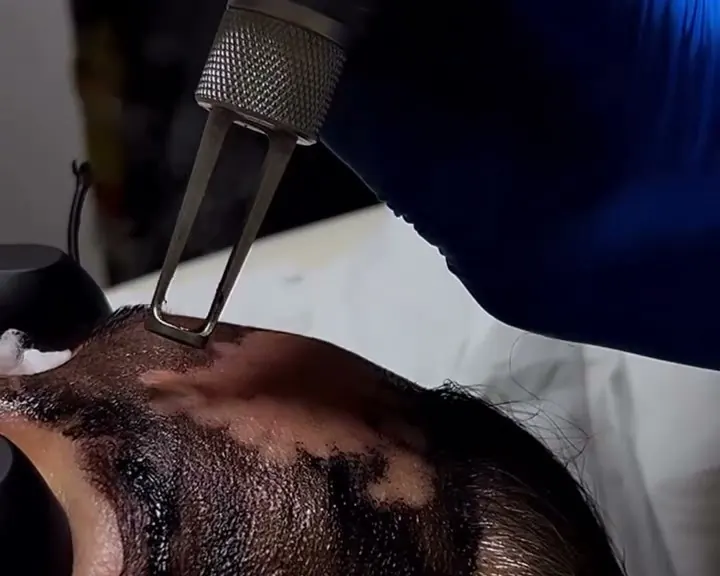
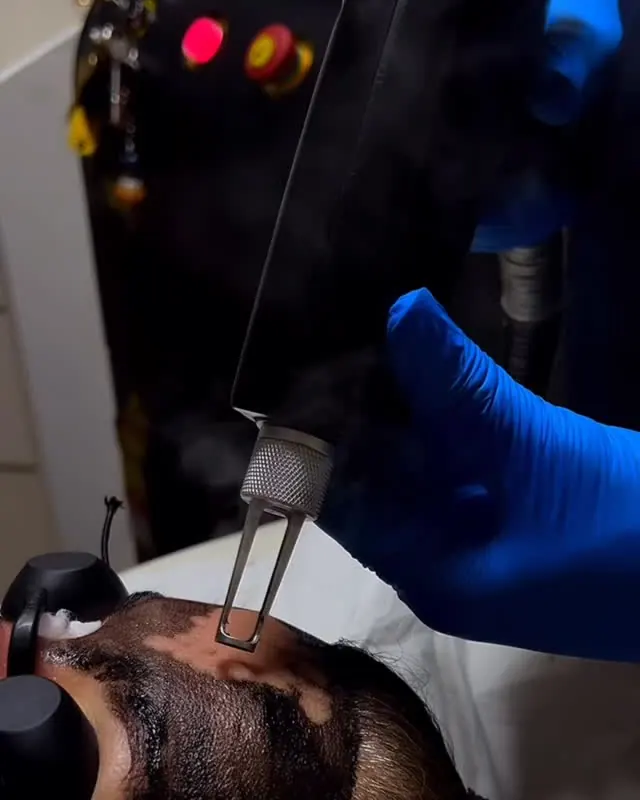
- A carbon laser peel at £130 is aimed at oily, congested skin and visible pores. It suits people with mild scarring who are still prone to congestion.
- A HydroFacial cleanses and hydrates. It does not change scars, but it can be a gentle option for congested skin.
Acne treatment in London for active breakouts
Scars are easier to treat once breakouts are under control. Treating scars while new spots keep forming means new damage can undo the progress, and needling or laser over inflamed skin can spread bacteria and irritation. So if you still get regular spots, we usually start there.
Our acne treatment costs £145 and our acne facial costs £175, and both are one-hour appointments. They are aimed at mild to moderate breakouts, blackheads and congestion. The exact approach is agreed at consultation after we look at your skin and ask about your routine and any medicines.
Clinic treatments help many people with milder acne, but they do not replace medical care. If your acne is moderate to severe, cystic, painful or leaving new scars, please see your GP or a dermatologist. Prescription treatments are available that work on the causes of acne, and they are often the right first step.
Who should wait or choose another route
Some people need to wait before scar treatment, and a few are better seen by a doctor first. Needling, laser and peel-type treatments are not suitable at the moment for anyone with:
- Active acne breakouts, cold sores or any infection in the area being treated
- A prescription acne tablet containing vitamin A within the last six months (we will ask about this at consultation)
- A history of keloid or raised scarring
- Pregnancy or breastfeeding
- Blood clotting disorders or blood-thinning medication, unless your doctor agrees
- Conditions or medicines that affect wound healing
Medium and darker skin tones can develop dark patches after treatment, known as post-inflammatory hyperpigmentation. This does not rule treatment out, but it does affect which settings and treatments we choose. We may suggest a gentler start and careful sun protection before your first session.
How many sessions will I need?
Most people need a course. For acne scarring, three to six sessions spaced four to six weeks apart is typical for collagen-based treatments such as microneedling. Deeper or mixed scarring may need more, and a plan often runs over six months or longer.
Collagen builds slowly, so changes usually show gradually over weeks and continue for some time after the last session. A realistic aim is visible softening of the scars and a more even texture. We review your skin at each visit and will say when further sessions are unlikely to add much.
If you are treating active acne first, scar work usually begins once breakouts have been settled for a few months.
What is recovery like after acne scar treatment?
Downtime depends on the treatment. After microneedling or a scar-focused session, expect redness similar to mild sunburn for one to three days, followed by dryness and light flaking. After a carbon laser peel or acne facial, most people have mild redness that settles within hours.
Less common side effects include swelling, breakouts, infection and changes in pigmentation. We explain the risks that apply to your plan before you go ahead.
- Keep the skin clean and avoid make-up for 24 hours after needling.
- Skip the gym, saunas and swimming for at least a day.
- Pause retinoids and exfoliating acids for several days.
- Use a gentle moisturiser and a broad-spectrum SPF 30 or higher every day.
- Avoid tanning and strong sun for at least two weeks.
Sun protection matters most. UV exposure on healing skin raises the risk of dark marks, which can undo some of the improvement.
Close to home for Marylebone, Bayswater and Paddington
Our clinic at 304 Edgware Road is about 50 metres from Edgware Road's Bakerloo line station. The Circle, District and Hammersmith & City lines are a 2 to 3 minute walk away on Chapel Street. From Marylebone it is a short walk west, and Bayswater is a quick Tube or bus ride. Anyone working around Paddington station can reach us on foot.
A course of scar treatment means several visits, so late and weekend appointments help. We are open 10:30am to 8pm Monday to Saturday and 1pm to 5pm on Sundays and bank holidays. ZARA is rated 4.8 from over 100 Google reviews. Book by WhatsApp on 07479 973309, by phone on 020 4619 8781 or through our contact page.
Acne scar treatment: your questions answered
Can acne scars be removed completely?
Not usually. Treatments can make scars shallower and less noticeable, and many people are pleased with a clear softening over a course. Deep ice pick scars and raised scars tend to respond less. We will give you a realistic view after looking at your skin.
Which treatment is right for rolling or boxcar scars?
Rolling and shallow boxcar scars often respond to collagen-building treatments such as microneedling, sometimes combined with a PRP facial. Scar lifting is another option. The choice depends on depth, skin type and how settled your acne is, so it is made at consultation.
Can I have scar treatment while I still get spots?
It is better to control breakouts first. Needling or laser over active spots can spread inflammation, and new spots can cause new scars. We usually start with an acne treatment or acne facial, or suggest your GP if your acne needs prescription care.
Is acne scar treatment safe for darker skin?
Yes, with care. Medium and darker skin tones have a higher risk of dark patches after treatment. We choose treatments and settings with this in mind, may suggest a gentler start and will ask you to use daily SPF before and after each session.
Does acne scar treatment hurt?
Needling feels like fine scratching or vibration, stronger over bony areas. Numbing cream can be used where appropriate, so mention it when you book. Acne facials and carbon laser peels are usually mildly uncomfortable at most, often described as warmth or light snapping.
How long do results last?
Collagen changes in the skin can be long-lasting, but skin keeps ageing and new acne can cause new scars. Keeping breakouts controlled and wearing SPF help protect the improvement. Some people book an occasional maintenance session after their course.
Are the dark marks after spots the same as scars?
No. Flat brown, pink or purple marks are changes in colour with smooth skin, and they often fade over months with sun protection. Scars change the surface of the skin. We can tell which you have at consultation, as the treatments differ.