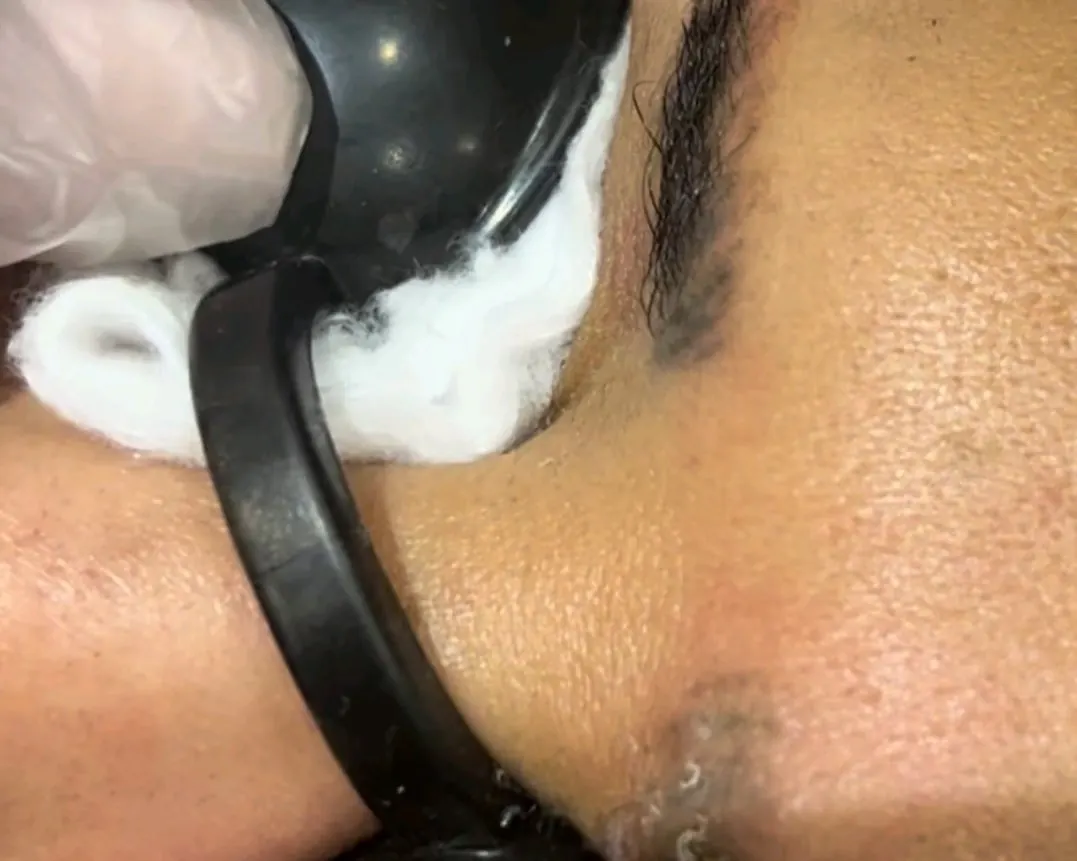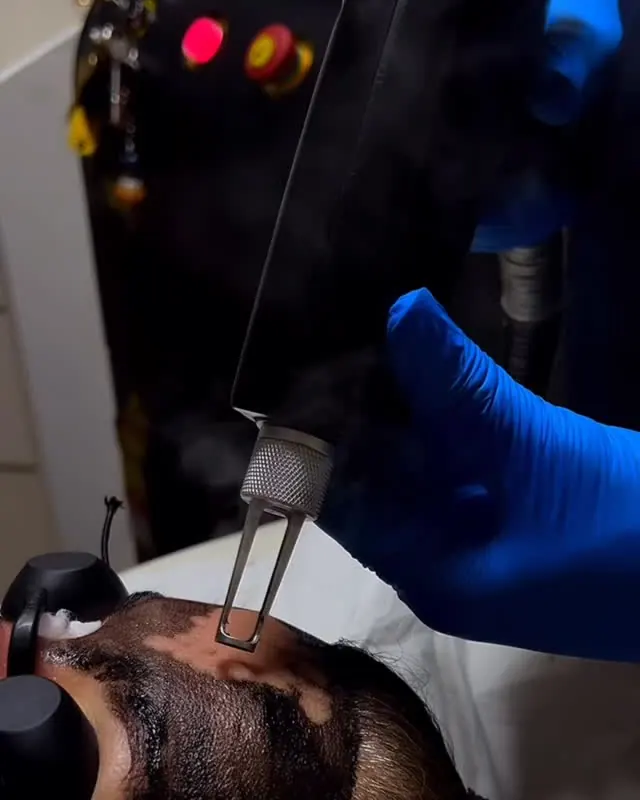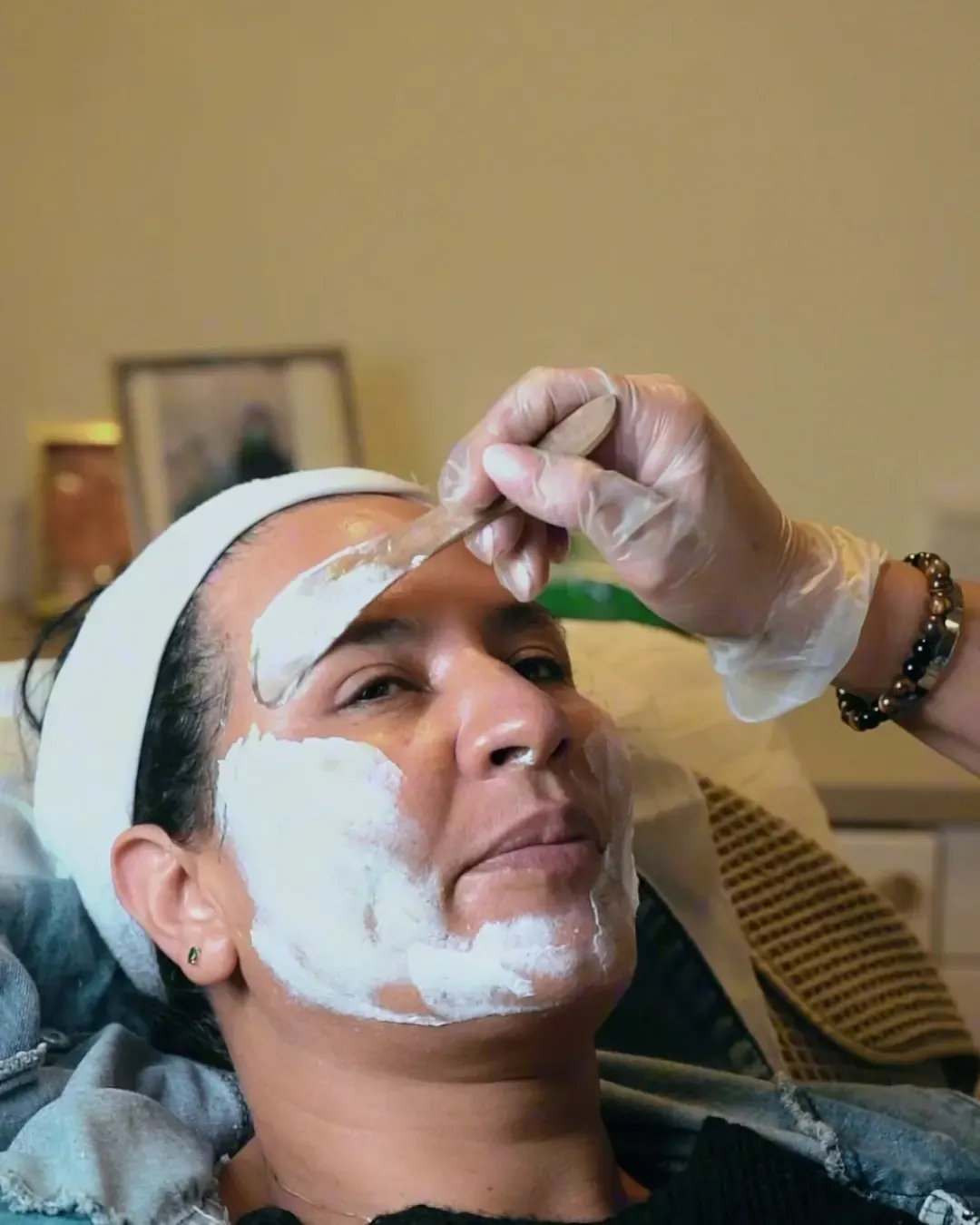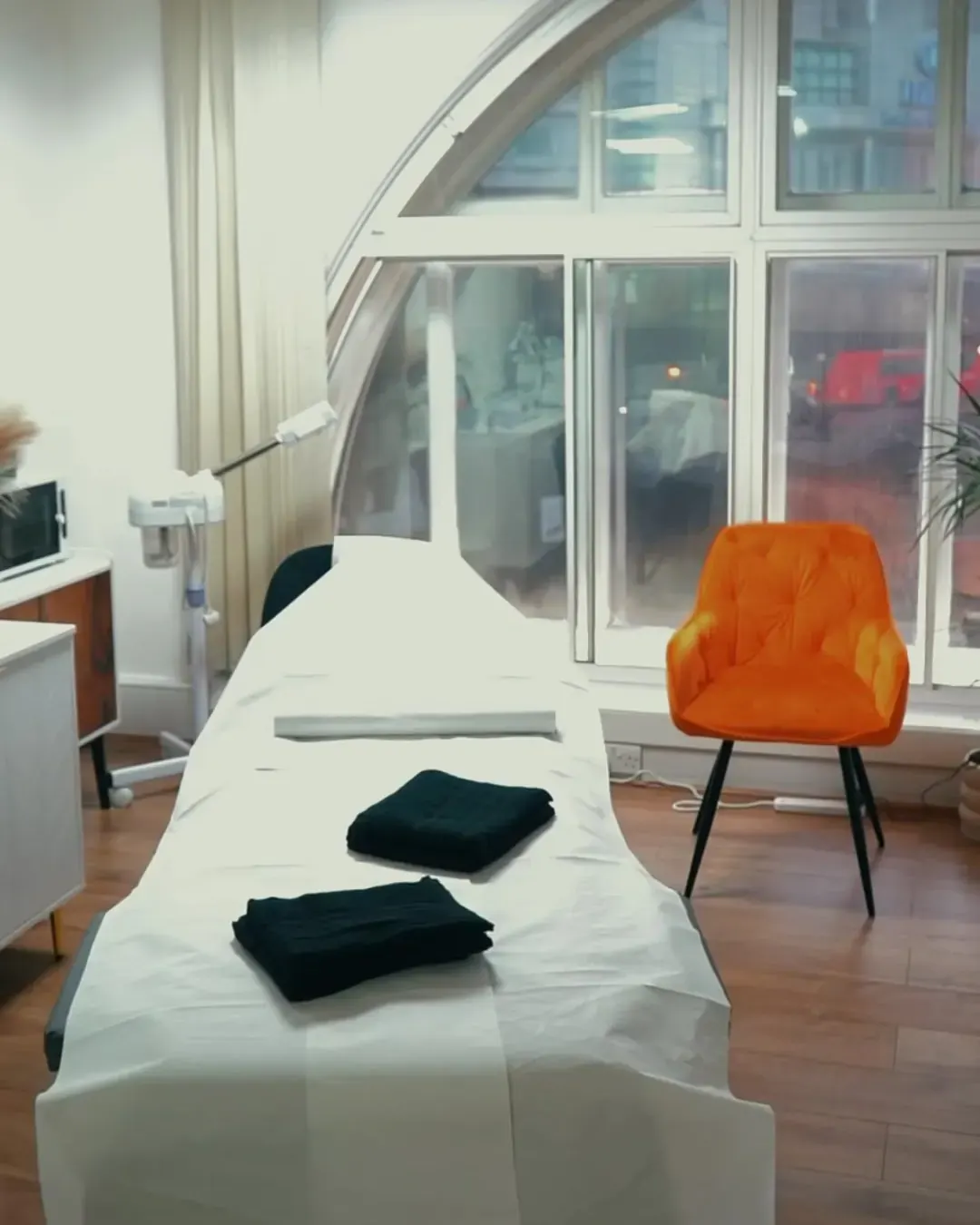
Laser hair removal uses light energy to heat and damage hair follicles so they grow back finer, slower and fewer in number. It gives permanent hair reduction rather than permanent removal, and most people need a course of sessions. It suits women and men who want less shaving, waxing or ingrown hairs on areas such as the face, underarms, legs, bikini line, back or chest. It works best on dark hair. At ZARA, 304 Edgware Road, London W2, we offer diode laser and IPL hair removal. Laser hair removal is priced at your consultation, because the cost depends on the areas and the number of sessions, and a patch test comes before your first treatment.
How diode laser and IPL hair removal work
Both methods target melanin, the pigment that gives hair its colour. The light is absorbed by the pigment in the hair shaft and turns into heat, which travels down to the follicle and damages its ability to grow a new hair. The surrounding skin is cooled to protect it during treatment.
A diode laser uses a single, focused wavelength of light. IPL, or intense pulsed light, uses a broader spectrum of light that is filtered for hair. Diode lasers are generally considered suitable for a wider range of skin tones than IPL, and we will explain which method fits your skin and hair at consultation.
Hair grows in cycles, and only hairs in the active growth phase respond well to treatment. That is why sessions are spaced weeks apart and why one appointment is never enough.
Laser hair removal areas we treat
We treat small and large areas on the face and body. You can book a single area or combine several in one visit.
- Face: upper lip, chin, jawline, cheeks, sides of the face, between the eyebrows and the ears
- Neck: front and back of the neck
- Underarms: one of the most common areas, and helpful for anyone who gets irritation or ingrown hairs from shaving
- Arms and hands: forearms, full arms and fingers
- Legs and feet: lower legs, full legs, toes and tops of the feet
- Bikini and intimate areas: from a standard bikini line to a fuller intimate area, discussed privately at consultation
- Back, chest and stomach: including the shoulders and the line of hair below the navel
- Full body: several areas planned together as one course
Full body laser hair removal takes longer per visit and is usually planned so each area is treated at the right interval. If underarm sweating is your main concern rather than hair, our excessive sweating treatment is a separate option.
Laser hair removal for men
Men most often ask about the back, shoulders, chest, stomach and neckline. Some want an area cleared fully. Others prefer to thin dense hair or tidy a beard line so it stays sharper between shaves.
Thick, dark body hair usually responds well because it holds plenty of pigment. Beard hair is more stubborn and often needs more sessions than other areas. Shaving rash and ingrown hairs on the neck can become less frequent as hair reduces, which is a common reason men book.
Is laser hair removal right for my hair and skin?
Because the light targets pigment, dark hair responds best. White, grey, red and very fair blonde hair contain little or no melanin, so they respond poorly to both laser and IPL. We would rather tell you that at consultation than sell a course that will not help.
Skin tone matters too. The aim is a clear contrast between the hair and the skin, so the light heats the follicle and not the surrounding skin. Darker skin tones need careful settings and the right method, which is one reason the patch test is important.
Hormonal conditions such as polycystic ovary syndrome (PCOS) can keep stimulating new growth. Treatment can still help, but more sessions and regular maintenance are often needed. If you notice sudden or rapidly increasing hair growth, see your GP first, as it can have a medical cause worth checking.
Who should wait or choose another option
Laser and IPL hair removal are not suitable at the moment if you have any of the following:
- Pregnancy, as treatment is usually postponed until afterwards
- Medicines that make the skin sensitive to light, such as isotretinoin or some antibiotics
- Active infection, cold sores, broken skin or an open wound in the area
- Tattoos or permanent make-up in the treatment area, which are avoided
- A recent tan, sunbed use or self-tan on the area
- A history of epilepsy triggered by light, or a skin condition that flares with heat, unless discussed first
Raised moles and dark birthmarks are covered or avoided. If you want to fade ink rather than avoid it, our tattoo removal page explains that treatment instead.
How many sessions will I need?
A course of six to eight sessions is typical for most body areas. Body sessions are usually spaced four to eight weeks apart. Facial hair grows on a shorter cycle, so face sessions are often booked closer together.
Many people see thinner, patchier regrowth after the first few sessions. Results vary with hair colour, thickness, skin type, the area and hormones. Some hair is likely to return over time, so occasional top-up sessions are common, often once or twice a year. We review your progress at each visit and adjust the plan as we go.
Preparing for your patch test and first session
- Your first visit is a consultation and medical history check, covering medicines, skin conditions and your hair growth.
- A patch test is carried out on a small area 24 to 48 hours before your first full session, so we can check how your skin responds.
- Stop waxing, plucking, threading and epilating for about four weeks beforehand, because the light needs the hair root to be present.
- Shave the area about 24 hours before each session. Do not use hair removal cream.
- Avoid sun exposure, sunbeds and self-tan on the area for several weeks before treatment.
- Come with clean skin, free of deodorant, make-up, lotion or perfume on the area.
Many people describe the sensation as a quick snap, like a rubber band against the skin, with a feeling of warmth. Cooling helps keep it comfortable.
What side effects and aftercare should I expect?
Redness and small raised bumps around each follicle, called perifollicular swelling, are normal and usually settle within a few hours to a day or two. The skin may feel warm, like mild sunburn. Less common risks include burns, blistering, crusting and temporary or, rarely, lasting changes in skin colour. The patch test and careful settings help reduce these.
- Keep the area cool and use a gentle, fragrance-free moisturiser.
- Avoid hot baths, saunas, steam rooms and intense exercise for 24 to 48 hours.
- Use daily SPF on treated skin and avoid tanning between sessions.
- Treated hairs may shed over one to three weeks. Let them fall out rather than plucking them.
- Contact us if you notice blistering or anything that worries you.
If dark marks from old breakouts or sun damage are a concern on the same area, ask about pigmentation treatment. For soft facial hair and dull skin, dermaplaning is a gentler, short-term alternative.
Close to home for Marylebone, Bayswater and Maida Vale
Our clinic at 304 Edgware Road is about 50 metres from Edgware Road's Bakerloo line station, and the Circle, District and Hammersmith & City lines are a 2 to 3 minute walk away on Chapel Street. From Marylebone it is a short walk west. Bayswater is a quick bus ride up the road, and Maida Vale sits just to the north along the same route.
A course means regular visits, so evening and weekend times help. We are open 10:30am to 8pm Monday to Saturday and 1pm to 5pm on Sundays and bank holidays. Book by WhatsApp on 07479 973309, by phone on 020 4619 8781 or through our contact page.
Laser hair removal: your questions answered
Is laser hair removal permanent?
It gives permanent hair reduction, not complete permanent removal. Most treated follicles stop producing hair or grow finer, lighter hair. Some hairs can return over time, especially with hormonal changes, so many people book an occasional top-up session to keep results.
Does laser hair removal hurt?
Most people find it manageable. It feels like a quick snap against the skin with some warmth, and sensitive areas such as the upper lip and bikini line can feel sharper. Cooling during treatment helps, and we can adjust settings if you are uncomfortable.
Can I shave between sessions?
Yes. Shaving is fine because it leaves the root in place, which the light needs to target. Avoid waxing, plucking, threading and epilating during your course, as they remove the root and make the next session less effective.
Does it work on grey, blonde or red hair?
Usually not well. Laser and IPL target pigment, and white, grey, red and very fair hair has little or none. We will look at your hair at consultation and tell you honestly whether treatment is likely to help.
How long after a session will hair fall out?
Treated hairs usually shed within one to three weeks. It can look as though the hair is still growing at first, as the hair is pushed out of the follicle. Let it come out naturally or exfoliate gently, rather than plucking.
Why do I need a patch test?
A patch test lets us see how your skin reacts to the chosen settings before treating a larger area. It is done 24 to 48 hours before your first full session and helps lower the risk of burns or changes in skin colour.
Can I have laser hair removal in the summer?
Yes, as long as the treated skin is not tanned and you protect it carefully. Use daily SPF, keep the area covered and avoid sunbeds and self-tan. Many people start a course in autumn or winter, when sun exposure is easier to avoid.