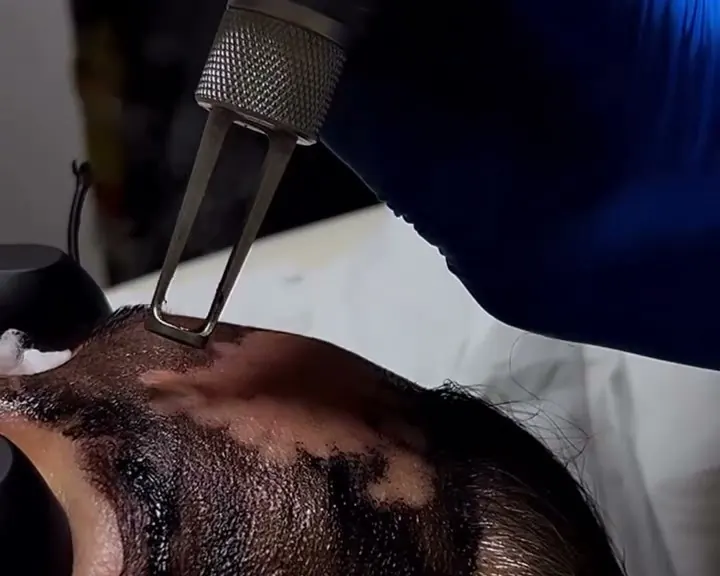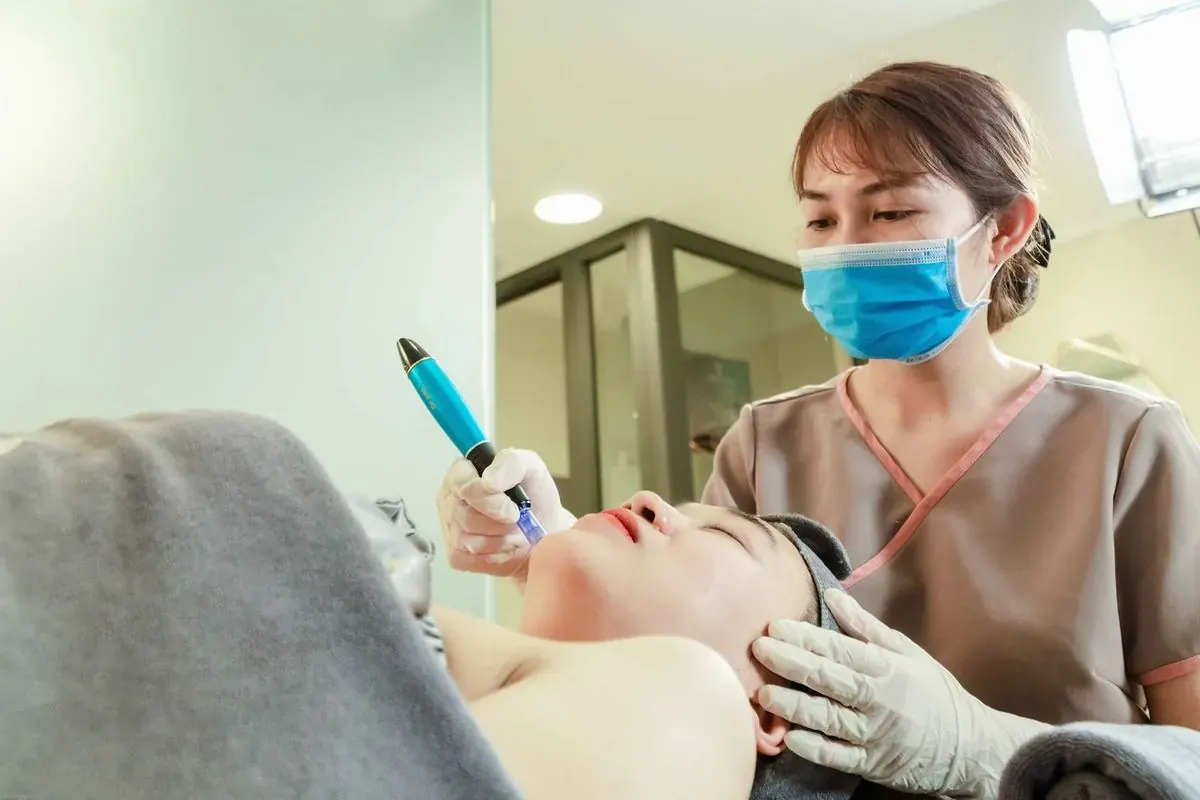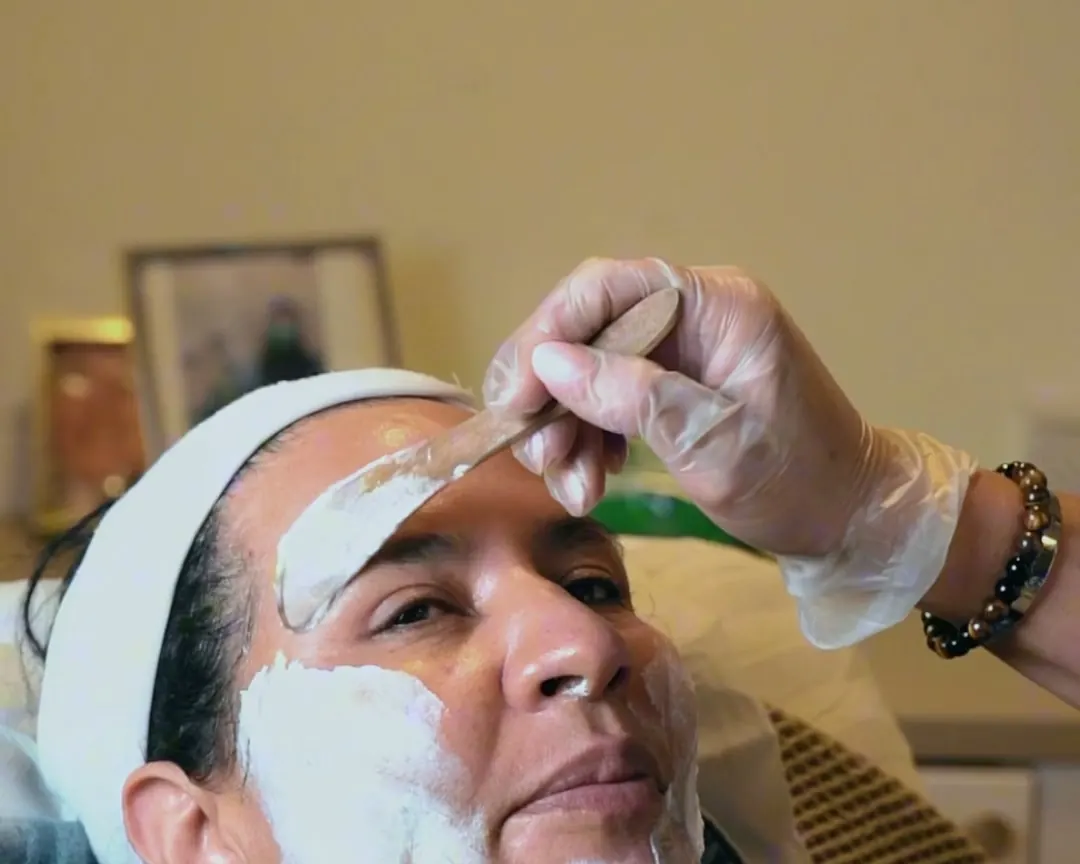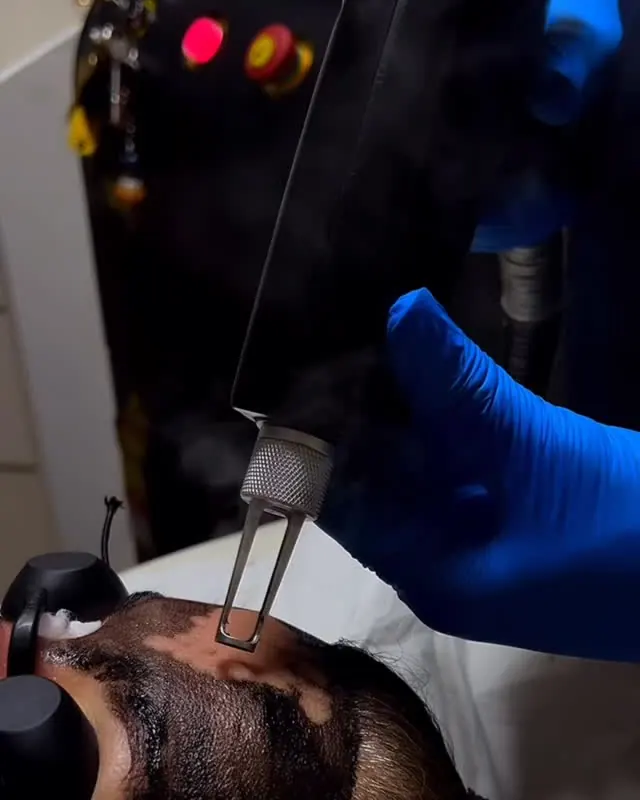
Pigmentation treatment aims to fade areas of skin that have become darker than the skin around them, such as sun spots, marks left behind by acne, freckles and melasma. It suits people with flat, harmless patches of uneven colour who are willing to protect their skin from the sun every day. The right approach depends on the type and depth of the pigment, so we assess your skin first and then choose between options such as laser, a carbon peel, a chemical peel or a facial-based treatment. At ZARA, 304 Edgware Road, London W2, a pigmentation treatment costs £159 for a 1 hour appointment, and a pigmentation facial costs £175 for 2 hours.
What causes pigmentation and dark spots
Skin colour comes from melanin, made by cells called melanocytes. When these cells are triggered, they make extra melanin in one place and a darker patch appears. Sun exposure is the most common trigger. Hormones, inflammation, skin injury and some medicines also play a part.
Pigment can sit near the surface of the skin, in the epidermis, or deeper in the dermis. Surface pigment usually responds better and more quickly. Deeper pigment is slower to fade and sometimes hard to shift at all. That depth, along with the cause and your skin tone, decides which treatment makes sense and how much improvement is realistic.
Types of pigmentation we see
- Sun spots and age spots. Also called solar lentigines, these are flat brown patches on the face, hands and chest that build up after years of sun. They are often the most responsive type.
- Marks after acne. Post-inflammatory hyperpigmentation is the flat brown or dark mark left once a spot has healed. It is different from textured scarring, which is covered on our acne scar treatment page.
- Freckles. These are harmless and darken in summer. Some people like them. Others want them softened, and they tend to return with sun exposure.
- Melasma. Larger, symmetrical patches, usually on the cheeks, forehead and upper lip. It needs its own approach, explained below.
Melasma treatment: a gentler, longer-term approach
Melasma is a chronic skin condition. It is linked to hormones, including pregnancy and the contraceptive pill, as well as sunlight, visible light and heat. It cannot be cured, but it can usually be managed so the patches look lighter and less noticeable.
Melasma can be made worse by heat and by aggressive laser or peel treatments, which can trigger a rebound and leave the skin darker than before. For that reason we take a cautious approach and avoid anything likely to inflame the skin. Strict daily sun protection is the foundation, and many people do best with a tinted mineral sunscreen, because it also blocks some visible light.
Prescription creams are often an important part of managing melasma, and these need to come from your GP or a dermatologist. If your melasma is extensive, getting worse, or started after a new medicine, we may suggest seeing your doctor first, or alongside any treatment with us. Even when it fades well, melasma commonly returns with summer sun, pregnancy or hormonal change.
Check new or changing spots with a doctor first
Some skin cancers, including melanoma, can look like an ordinary brown spot. We do not treat any lesion that has not been diagnosed, and part of our consultation is deciding whether a mark is suitable for cosmetic treatment at all.
Please see your GP or a dermatologist before booking if a spot or mole:
- Is new, especially if you are over 30
- Is changing in size, shape or colour
- Has an irregular or ragged edge, or more than one colour
- Itches, bleeds, crusts or will not heal
- Looks different from your other moles
If we have any doubt at consultation, we will ask you to have the spot checked before we go ahead.
Who should wait or choose another treatment?
Darker skin tones can be treated, but they carry a higher risk of post-inflammatory hyperpigmentation, where the treatment itself leaves a new dark mark. We choose gentler settings and products for you, may suggest a test patch, and sometimes recommend a slower plan. Treatment is not suitable right now for anyone with:
- A current tan, recent sunbed use or sunburn
- Pregnancy or breastfeeding, for some treatments including lasers and certain peels
- Medicines that make the skin sensitive to light, including some antibiotics, or isotretinoin within the last six months
- Active cold sores, infection or broken skin in the area
- A history of keloid scarring
- An undiagnosed or changing mole or dark spot
How a pigmentation treatment appointment runs
The Pigmentation Treatment is booked as 1 hour, and the Pigmentation Facial as 2 hours. Your first visit always starts with a consultation and medical history check, and we may decide that a different option suits your skin better.
- We look closely at the pigment, ask how long it has been there and what makes it worse, and check your medicines and sun habits.
- We agree whether the pigment is suitable for cosmetic treatment and which approach fits it.
- The skin is cleansed and prepared, and eyes are protected if a laser is used.
- The treatment is carried out, which may be a laser, a carbon laser peel, a chemical peel or a facial-based treatment.
- The skin is calmed, SPF is applied, and we talk you through aftercare and a home routine.
How many sessions will I need?
Pigmentation rarely clears in a single visit. A course of three to six sessions, a few weeks apart, is common across the industry, although some well-defined sun spots need fewer. Melasma and deeper pigment usually take longer and need ongoing upkeep. Some marks may lighten only partly, and results vary from person to person.
Pigmentation can come back. Sun exposure, hormones and fresh breakouts can all trigger new marks. Daily SPF 30 to 50, applied generously and reapplied when you are outdoors, does more to protect your results than any single session.
Side effects, aftercare and prices
Redness, warmth and mild swelling are common for a few hours to a day or two. Some treatments cause dryness, flaking or light peeling. Treated sun spots can briefly look darker or crusty before they fade. Less common risks include blistering, infection, new dark patches and, rarely, lighter patches. We will go through the risks that apply to you beforehand.
Afterwards, wear SPF 30 to 50 every day, avoid strong sun and sunbeds, and keep skincare gentle. Avoid saunas, hot yoga, scrubs, retinoids and exfoliating acids for a few days, or as advised. Do not pick flaking skin.
A Pigmentation Treatment costs £159 for 1 hour, and a Pigmentation Facial costs £175 for 2 hours. If we suggest a course, we will give you the total cost first. If uneven texture is part of the problem, microneedling or one of our clinical facials may form part of a longer plan.
Visiting from Marylebone, Maida Vale and Notting Hill
Our clinic at 304 Edgware Road is about 50 metres from Edgware Road’s Bakerloo line station, and the Circle, District and Hammersmith & City lines are a 2 to 3 minute walk away on Chapel Street. From Marylebone it is a short walk west. Maida Vale is a few stops down the Bakerloo line, and from Notting Hill the Circle and District lines bring you to Chapel Street.
We are open 10:30am to 8pm Monday to Saturday and 1pm to 5pm on Sundays and bank holidays, so an evening appointment can give redness time to settle overnight. ZARA is rated 4.8 from over 100 Google reviews. Book by WhatsApp on 07479 973309, by phone on 020 4619 8781 or through our contact page.
Pigmentation treatment: your questions answered
Can pigmentation be removed permanently?
Some sun spots fade well and stay faded with good sun protection, but no treatment can promise permanent removal. New pigment can form with sun, hormones or skin inflammation, and melasma in particular tends to return. Most people plan for occasional maintenance.
Is laser safe for melasma?
Heat and strong laser settings can make melasma worse, sometimes leaving it darker than before. Where melasma is involved we use a cautious approach, put sun protection first, and may suggest seeing your GP or a dermatologist about prescription creams alongside treatment.
Does pigmentation treatment hurt?
Most people find it manageable. Laser treatments feel like warm snapping on the skin, and peels can tingle or sting for a few minutes. We can pause at any time.
What is the difference between the £159 treatment and the £175 facial?
The Pigmentation Treatment is a 1 hour appointment and the Pigmentation Facial is a 2 hour appointment. We will recommend which suits your skin, and which approach is used, after assessing the type and depth of your pigmentation at consultation.
Can you treat dark marks left by acne?
Often, yes. These flat marks usually fade over time on their own, and treatment can help speed that up. It works best once breakouts are under control, since new spots leave new marks. Textured scars need a different approach.
What is the best time of year for pigmentation treatment?
Autumn and winter are popular, because it is easier to avoid strong sun while the skin settles and before summer brings pigment back. Treatment is possible at other times if you are not tanned and you wear SPF daily.
Is pigmentation treatment suitable during pregnancy?
Many lasers and some peels are avoided during pregnancy and breastfeeding. Melasma often appears in pregnancy and may lighten afterwards, so it is usually worth waiting. Gentle skincare and daily SPF are the safest steps until then.