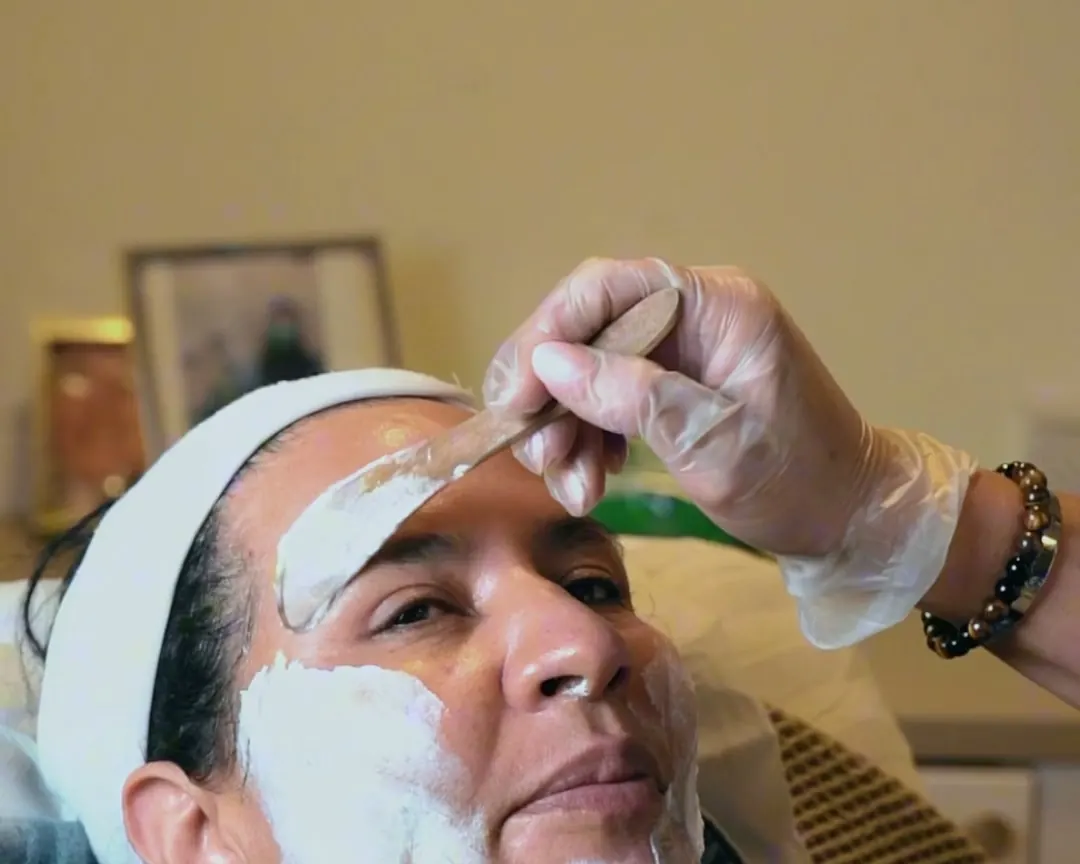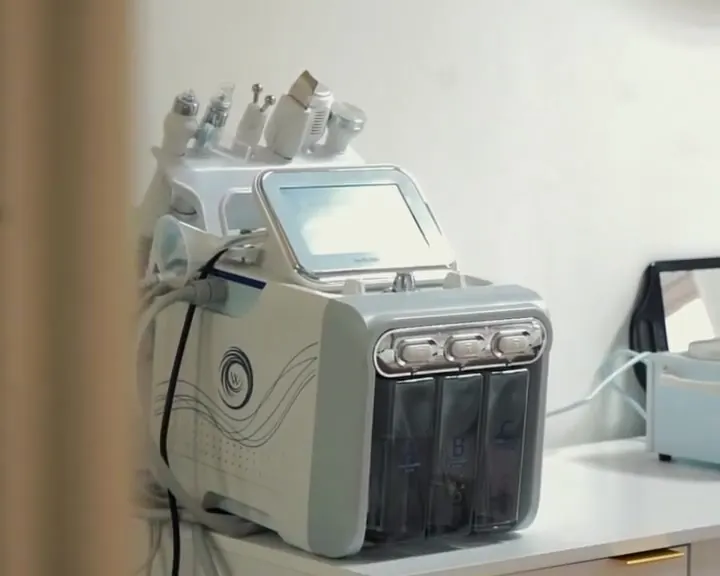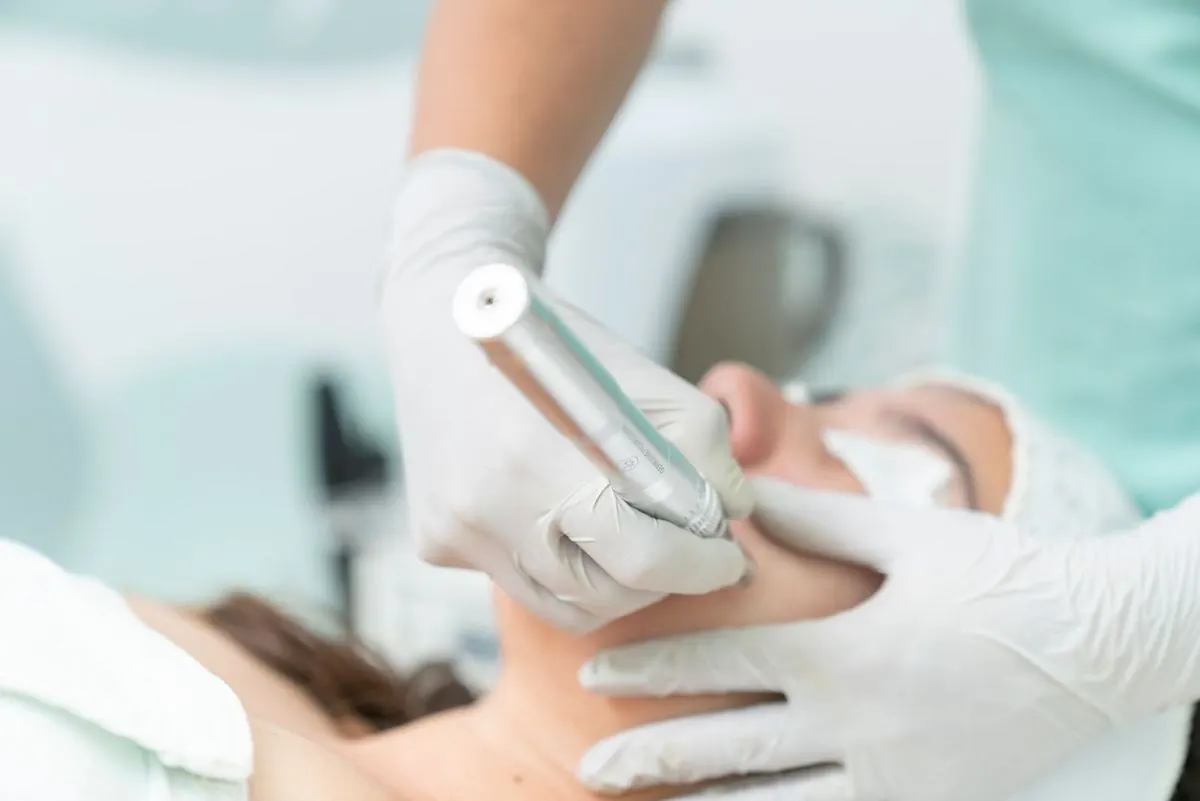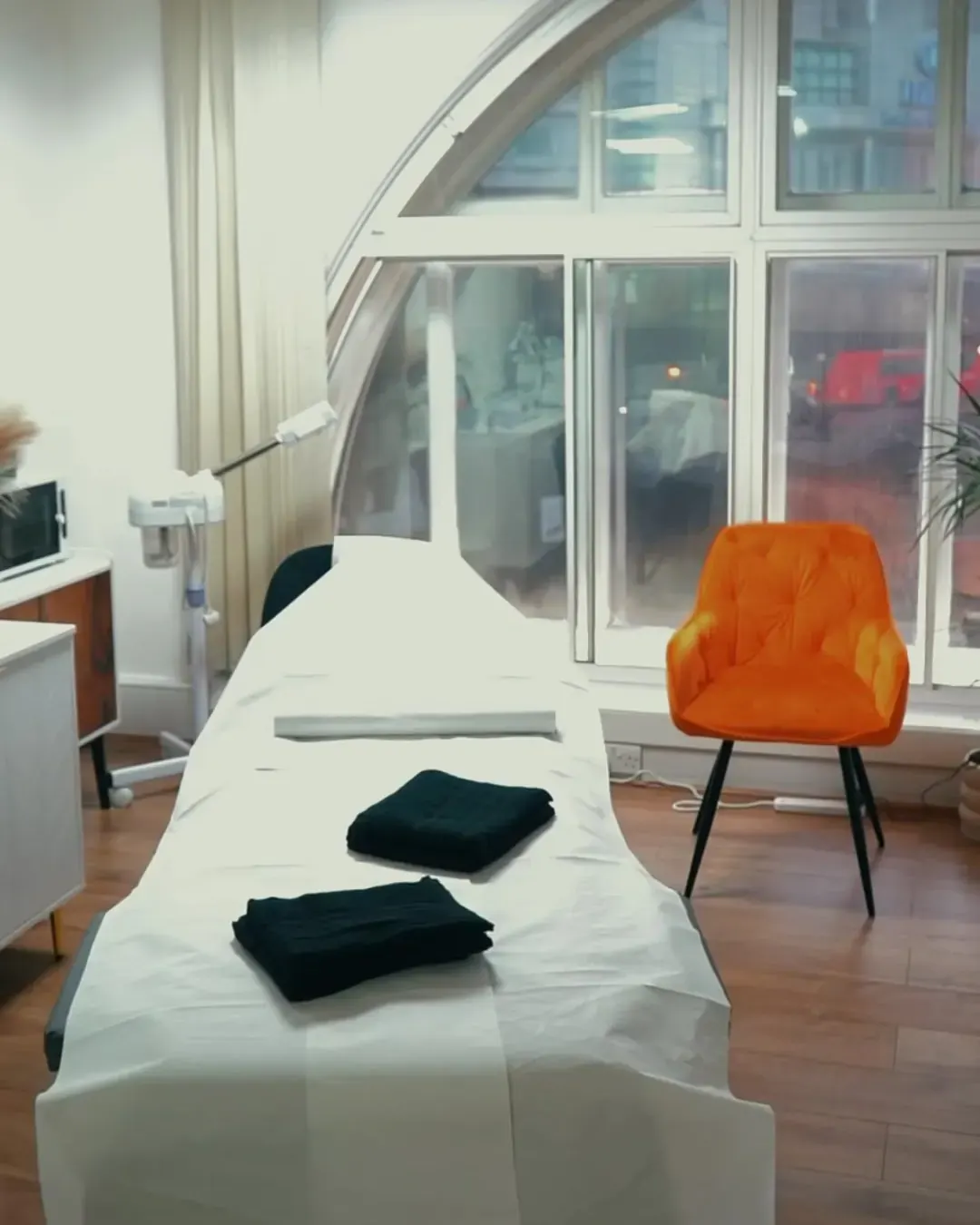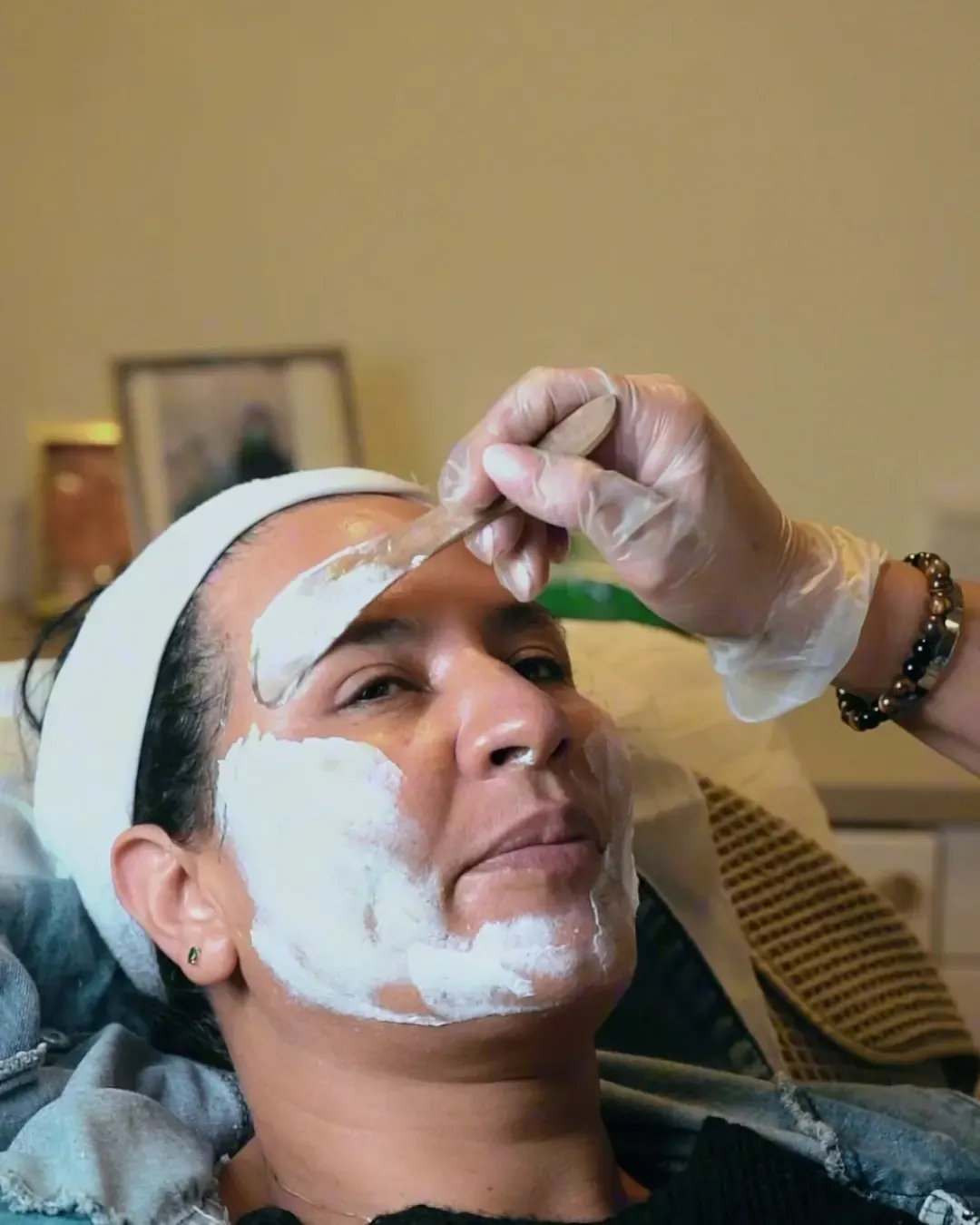
Dermaplaning in London W2 is a manual exfoliation in which a sterile, surgical-style blade is drawn gently across the skin to lift away dead skin cells and fine vellus hair, often called peach fuzz. It suits people who want smoother texture, a more even surface for make-up and better absorption of their skincare, without downtime. It is less suitable for active acne or inflamed skin. At ZARA, 304 Edgware Road, London W2, dermaplaning is priced at your consultation, which comes first. It can also be added to one of our facials, and we will confirm the cost of any combination before you book.
What dermaplaning actually does
The outer layer of the skin is made of flattened cells that are constantly shed and replaced. When they build up, skin can look dull and feel slightly rough. Dermaplaning removes that top layer by hand, using a sterile blade held at a shallow angle and moved in short, light strokes.
The same strokes remove the soft, fine vellus hair that covers most of the face. This hair is easy to miss until it catches make-up or light. Without it, foundation tends to sit flatter and serums spread more evenly. The effect is on the surface only. Dermaplaning does not reach the deeper layers where collagen is made, so it will not soften scars or lines in the way a course of microneedling aims to.
Who dermaplaning suits
Dermaplaning is usually chosen by people with dry, dull or slightly uneven skin, and by anyone who finds that fine facial hair shows through make-up. It is a common choice before an event because the skin looks smoother straight away and there is no recovery time.
- Dull or flaky skin that looks tired
- Make-up that clings to dry patches or fine hair
- Skincare that seems to sit on the surface
- People who prefer a physical exfoliation to an acid peel
- Pregnancy, when some chemical exfoliants are avoided, after discussion at consultation
It works on most skin tones because there is no heat or light involved. If your concern is deeper texture or scarring, we may suggest acne scar treatment instead.
Who should wait or choose another treatment
Because the blade passes over the skin, anything that makes the surface broken, inflamed or fragile is a reason to wait. We check your skin and medical history before any treatment begins.
- Active acne, pustules or a current breakout, as the blade can spread bacteria and irritate spots
- Inflamed rosacea or eczema on the face
- Cold sores, or any infection on the treatment area
- Sunburn or recently tanned, peeling skin
- Isotretinoin in the last six months, or a recent course of prescription retinoid cream
- Very thin or highly sensitive skin that reacts to gentle exfoliation
Raised moles, skin tags and lesions are worked around and never treated. If you have a mole or patch that is changing, bleeding or itching, please see your GP or a dermatologist before booking any facial treatment.
How a dermaplaning appointment runs
Your first visit always begins with a consultation. The length of the appointment and the price are confirmed then, and depend on whether dermaplaning is booked on its own or alongside a facial.
- We take a medical history, look at your skin and agree what you want to achieve.
- The face is cleansed and dried thoroughly, because the blade glides more smoothly on clean, dry skin.
- The skin is held taut with one hand while the blade is moved in short, light strokes with the other.
- We work around the eyes, lips, moles and any sensitive areas.
- The skin is soothed with a calming product and finished with SPF.
Most people find it relaxing. You may feel a light scraping sensation, and you may hear the blade, but it should not hurt.
How long do dermaplaning results last?
The smoothness is visible straight away. Skin usually feels softer, looks brighter and takes make-up more evenly from the same day. Because the outer layer renews itself over roughly a month, the effect tends to last about three to four weeks.
Fine hair grows back over a similar period. For that reason, people who like the result usually book every three to four weeks. There is no fixed course and no need to keep going. You can stop at any time and the skin simply returns to its usual cycle.
Results vary with skin type, age and your home routine. Dermaplaning makes the surface look and feel smoother. It does not change pigmentation, pore size or the depth of lines in any lasting way.
Side effects and aftercare
Most people have no visible downtime. Some mild redness or a warm feeling is common for a few hours, especially on fair or sensitive skin. Less often, the blade can cause a tiny nick, and a small number of people get a few spots in the days after as their skin adjusts.
Freshly exfoliated skin is more sensitive to sun and active ingredients, so a little care helps:
- Use a broad-spectrum SPF every day, and reapply if you are outdoors
- Avoid retinoids, exfoliating acids and scrubs for 24 to 48 hours
- Skip saunas, steam rooms and hot workouts for the rest of the day
- Avoid heavy sun exposure and tanning for about a week
- Keep to a gentle cleanser and moisturiser until the skin feels normal
Contact the clinic if redness lasts more than a day or two, or if a nick looks irritated.
Dermaplaning compared with microdermabrasion and laser hair removal
Dermaplaning and microdermabrasion are both surface exfoliations, but they work differently. Microdermabrasion uses a fine abrasive tip and gentle suction to buff the skin. Dermaplaning uses a blade and removes fine hair at the same time. Some people prefer one over the other, and we can talk through which suits your skin at consultation.
Dermaplaning only removes soft, fine vellus hair. It is not designed for darker, coarser hair on the upper lip, chin or jaw. For that, laser hair removal aims at the root and can give long-term hair reduction over a course. Heavier or new facial hair growth can also have a medical cause, such as polycystic ovary syndrome, and is worth raising with your GP.
Adding dermaplaning to a facial
Dermaplaning is often paired with a facial, because a smoother surface can help serums and masks spread and absorb more evenly. Our facials start from £65, and a HydroFacial is £80. If you would like dermaplaning added to either, we will confirm what that comes to at your consultation, before anything is booked.
Not every combination suits every skin. If your skin is sensitive, we may suggest keeping dermaplaning and stronger exfoliating steps on separate visits.
Close to home for Marylebone, Bayswater and Maida Vale
Our clinic at 304 Edgware Road is about 50 metres from Edgware Road's Bakerloo line station, with the Circle, District and Hammersmith & City lines a 2 to 3 minute walk away on Chapel Street. From Marylebone it is a short walk east across Edgware Road. Bayswater is a short bus ride or walk to the south-west, and Maida Vale is two stops north on the Bakerloo line.
With no downtime, dermaplaning fits easily into a lunch break or an evening. We are open 10:30am to 8pm Monday to Saturday and 1pm to 5pm on Sundays and bank holidays. ZARA is rated 4.8 from over 100 Google reviews. Book by WhatsApp on 07479 973309, by phone on 020 4619 8781 or through our contact page.
Dermaplaning: your questions answered
Will my facial hair grow back thicker or darker after dermaplaning?
No. This is a common myth. Cutting vellus hair at the surface does not change the follicle, so it grows back the same colour and texture. The regrowth can feel slightly blunt for a few days because the tip has been cut, but it is not thicker or darker.
Does dermaplaning hurt?
It should not hurt. Most people feel a light scraping or tickling sensation and hear a faint sound as the blade moves. If any area feels uncomfortable, tell us and we can adjust the angle, pressure or stop.
How often should I have dermaplaning?
Most people who enjoy the result book every three to four weeks, which matches the skin's natural renewal cycle. Having it more often than that can leave the skin sensitive, so we would not usually recommend shorter gaps.
Can I wear make-up after dermaplaning?
Many people wear make-up the same day without any problem. If your skin looks a little pink, waiting until the evening or the next morning is sensible. Use clean brushes and avoid products with exfoliating acids for a day or two.
Can I have dermaplaning if I have acne?
Not while you have active breakouts, as the blade can irritate spots and spread bacteria. Once the skin has settled, dermaplaning may be possible. For ongoing acne, a GP or dermatologist is the right first step, and we can suggest other treatments at consultation.
Is clinic dermaplaning the same as using a face razor at home?
Home face razors remove hair, but they are usually not designed to exfoliate in the same controlled way. In clinic the blade is sterile and single-use, the skin is assessed first and moles and sensitive areas are worked around.
How long before an event should I book dermaplaning?
Two to five days beforehand works well for most people. That gives any mild redness time to settle while the skin still looks at its smoothest. If it is your first time, consider booking a trial session a few weeks earlier.