Polynucleotides are an injectable treatment made from purified DNA fragments, usually taken from salmon or trout, that aim to improve skin quality over time. In London, people most often ask about polynucleotides for thin, crepey skin under the eyes, but the treatment is also used on the face, neck, décolletage and backs of the hands. It suits adults who want better hydration, texture and fine lines without added volume or a change of shape. Results build gradually across a course, usually two or three sessions a few weeks apart. At ZARA, 304 Edgware Road, London W2, polynucleotides are priced at your consultation, because the cost depends on the areas treated and the length of course you need. Every treatment starts with a medical assessment.
For adults aged 18 and over only, and we may ask for photo ID.
What polynucleotides are and how they work
Polynucleotides are long chains of DNA fragments. The fragments used in aesthetic treatments are highly purified and usually derived from salmon or trout DNA. In the UK, these products are classed as medical devices rather than prescription medicines.
Once injected, polynucleotides are thought to support the skin's own repair processes. They attract and hold water, which helps hydration, and they are believed to encourage the cells that produce collagen and elastin. This is why the treatment is described as regenerative. It works on the quality of the skin itself.
A polynucleotide treatment does not add volume or lift. If you want to restore lost volume in the cheeks or lips, dermal fillers are a different treatment built for that purpose. The changes from polynucleotides are quieter: skin that looks better rested, smoother and more even in tone over time.
What can polynucleotides in London help with?
Polynucleotides are chosen for concerns about the texture and thickness of the skin. The most common requests we hear about are:
- Thin, crepey skin and fine lines under the eyes, where filler is often unsuitable
- Dull, dehydrated skin on the face that does not respond to creams
- Fine lines and loss of firmness on the neck
- Crepey texture and sun-related lines on the décolletage
- Thinning, creased skin on the backs of the hands
- Uneven texture, sometimes alongside acne scarring
Dark circles caused by pigment, or hollows caused by fat and bone changes, are a separate issue. Polynucleotides may improve the skin over the hollow, but they will not fill it. We will explain which part of your concern is likely to change at consultation.
Who should wait or choose another treatment
Polynucleotides are for adults aged 18 and over. Because most products come from fish DNA, the treatment is not suitable for anyone with a fish or salmon allergy. It is also not suitable at the moment for anyone who:
- Is pregnant or breastfeeding
- Has an active skin infection, cold sore or inflamed acne in the area
- Has had a reaction to a similar injectable before
Some situations need a fuller conversation first. These include autoimmune conditions, recent illness, and blood-thinning medicines such as aspirin or anticoagulants, which raise the chance of bruising. Never stop a prescribed medicine without speaking to your doctor.
If you have a changing mole, a rash you cannot explain or a skin condition that is getting worse, please see your GP or a dermatologist before any aesthetic treatment.
How a polynucleotide appointment runs
Your first visit begins with a consultation. Appointment length is confirmed at consultation and depends on the areas being treated.
- We take a medical history, check for allergies and look closely at the skin you want to treat.
- We agree which areas to treat and outline a likely course.
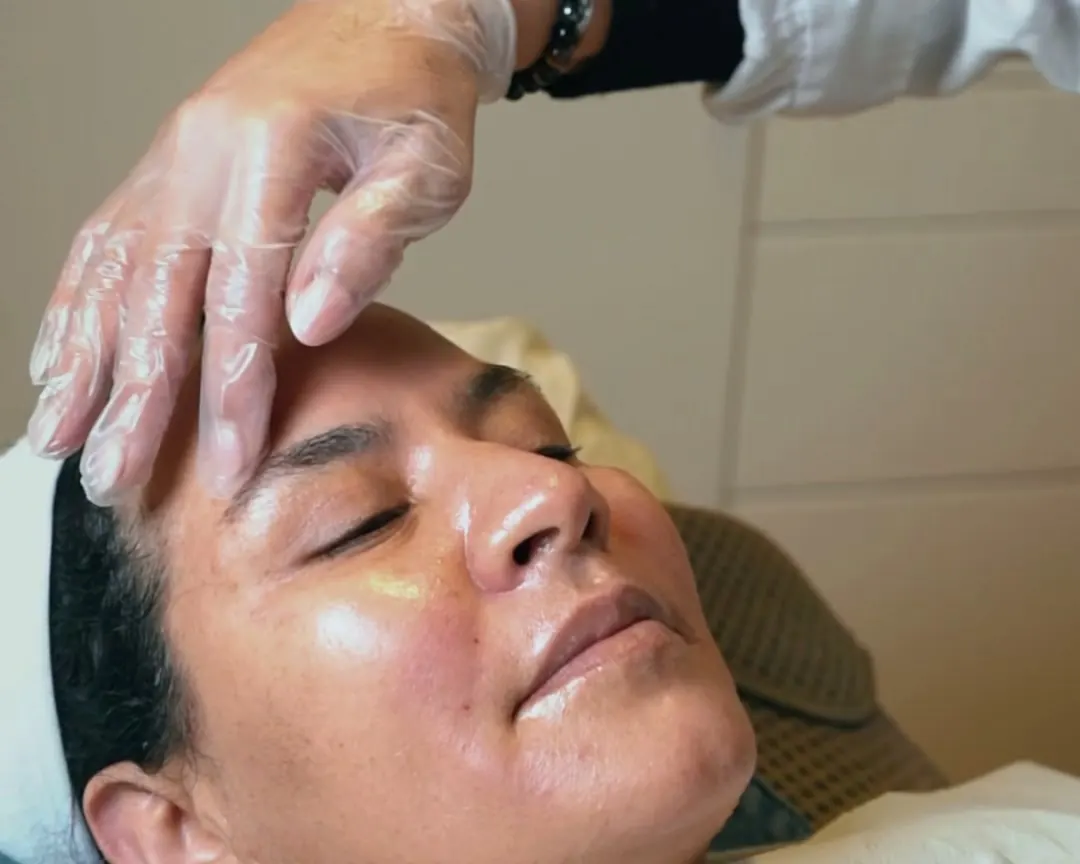
- The skin is cleansed thoroughly. A topical numbing cream may be applied where appropriate.
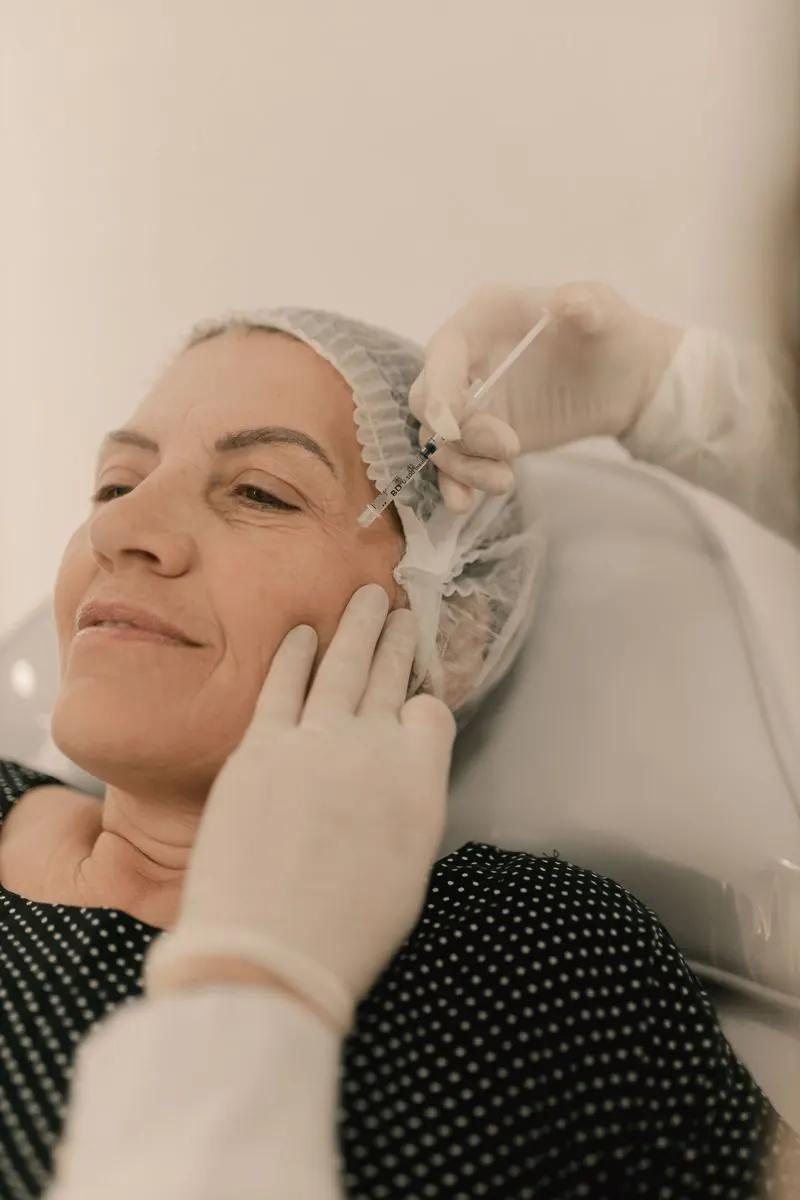
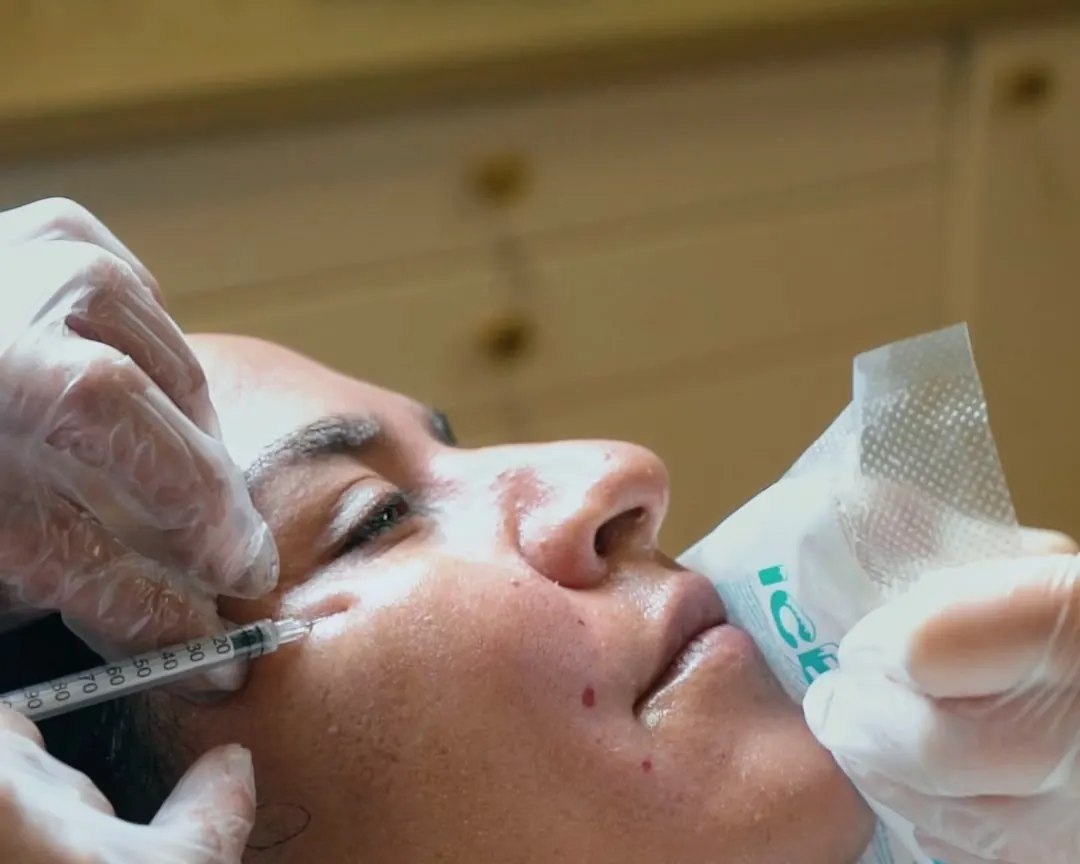
- The product is placed with a fine needle or cannula, using small injections across the treatment area.
- The skin is cleaned and we go through aftercare before you leave.
Small raised bumps along the injection points are normal straight afterwards. On the face they usually settle within a day or so.
How many polynucleotide sessions will I need?
A course is usually two or three sessions, spaced about two to four weeks apart. The under-eye area and more crepey skin sometimes need the longer end of that range. The number we suggest for you is confirmed at consultation after we have seen your skin.
Results are gradual. Most people notice that skin looks more hydrated and smoother a few weeks after their sessions begin, with changes continuing to build in the weeks after the course ends. How much improvement you see varies from person to person.
The effect is not permanent, because skin keeps ageing. Many people return for a maintenance session every six to twelve months. We will review your progress at each visit and will not suggest more sessions than are useful.
Recovery, aftercare and side effects
Most people go back to normal activities the same day, but plan for visible bumps and some redness for the rest of that day. Common side effects include:
- Small bumps or wheals at the injection points, usually settling within 24 to 48 hours
- Redness, swelling and tenderness
- Bruising, which is more likely under the eyes and can take a week or more to fade
Infection and allergic reaction are rare. Contact us, or seek medical help, if you notice increasing pain, heat, spreading redness, pus or swelling of the lips or throat.
For the first 24 hours, avoid make-up on the treated area, touching or massaging it, and the gym, saunas and swimming. Avoid alcohol on the day if you bruise easily. Use a gentle moisturiser and a daily SPF.
Polynucleotides compared with skin boosters and other treatments
People often weigh polynucleotides against skin boosters. Skin boosters are usually based on hyaluronic acid and focus mainly on hydration. Polynucleotides also hydrate, but they are chosen more for their regenerative effect on thin or crepey skin. Some people have both as part of a longer plan.
A PRP facial uses your own blood and can suit anyone who prefers not to have a fish-derived product. Microneedling may suit texture and scarring better. If firmness is the main concern, HIFU may be discussed instead.
At ZARA, polynucleotides are priced at your consultation, by area and by course. We will give you the total for the course before you commit.
Close to home for Bayswater, Maida Vale and Little Venice
Our clinic at 304 Edgware Road is about 50 metres from Edgware Road's Bakerloo line station. The Circle, District and Hammersmith & City lines are a 2 to 3 minute walk away on Chapel Street. From Maida Vale it is a few stops on the Bakerloo line, and Little Venice is a short walk away. Anyone in Bayswater can reach us easily on the Circle or District line.
Under-eye bruising is easier to plan for when you can book late or at the weekend. We are open 10:30am to 8pm Monday to Saturday and 1pm to 5pm on Sundays and bank holidays. ZARA is rated 4.8 from over 100 Google reviews. Book by WhatsApp on 07479 973309, by phone on 020 4619 8781 or through our contact page.
Polynucleotides: your questions answered
Do polynucleotide injections hurt?
Most people feel a series of quick sharp scratches and some stinging as the product goes in. The under-eye area can feel more sensitive. Numbing cream can be used where appropriate, and we can pause at any point during the treatment.
Are polynucleotides the same as filler?
No. Fillers add volume and change shape. Polynucleotides aim to improve the quality of the skin, such as hydration, texture and fine lines, and do not add volume. If you want to restore volume, dermal fillers are discussed separately at consultation.
Are polynucleotides safe if I am allergic to fish?
No. Most polynucleotide products are derived from salmon or trout DNA, so anyone with a fish or salmon allergy should not have this treatment. Please tell us about any allergies at consultation, and we can talk through alternatives such as a PRP facial.
How long do polynucleotide results last?
Results build gradually over the weeks after a course and often last several months. Skin continues to age, so many people book a maintenance session every six to twelve months. How long results last varies with age, skin type, sun exposure and lifestyle.
Can polynucleotides help dark circles?
They may improve thin, crepey skin under the eyes, which can make the area look less tired. They will not fill a hollow and do not directly treat dark circles caused by pigment. We will assess the cause of your dark circles before suggesting a plan.
How long before an event should I have polynucleotides?
Leave at least two weeks between a session and an important occasion, especially for the under-eye area where bruising can take a week or more to fade. For the full effect of a course, start two to three months ahead.
Can I have polynucleotides with other treatments?
Often, yes. Polynucleotides are sometimes combined with skin boosters, microneedling or anti-wrinkle treatment as part of a longer plan, with sessions spaced apart. We will agree the order and timing at consultation so the skin has time to settle between treatments.