HIFU skin tightening uses high-intensity focused ultrasound to heat small points of tissue beneath the skin, which prompts the body to build new collagen over the following months. In London W2, it is usually chosen by people with mild to moderate laxity who want a firmer jawline, softer jowls, a slightly lifted brow or a smoother neck without surgery or injections. The skin surface is left intact, so there are no needles and usually little visible downtime. At ZARA, 304 Edgware Road, HIFU skin lifting is priced at consultation, because the cost depends on the areas treated, such as the full face, lower face and jawline, neck or around the eyes.
How HIFU works beneath the skin
A HIFU handpiece focuses ultrasound energy to a precise point below the surface, in the same way a lens can focus light. At that point the tissue heats quickly and forms a tiny thermal spot, while the skin above it is left largely untouched. Cartridges are set to different depths, so energy can be placed in the deeper dermis and in the SMAS, the supportive layer that surgeons tighten during a facelift.
The body treats these small heated points as minor injuries and begins to repair them. That repair includes contracting existing collagen and laying down new collagen over the following weeks. This is why HIFU is a gradual treatment. Some people notice a slight firmness soon after, but the main change develops slowly as the tissue remodels.
What HIFU skin tightening in London can help with
HIFU suits early to moderate loss of firmness, where the skin has started to soften but has not dropped significantly.
- Early jowls and a softening jawline
- Mild heaviness of the brow and upper eyelid area
- Loose skin under the chin and on the neck
- Fine crepey texture on the lower face and neck
- General loss of firmness across the cheeks
It does not add volume, and it will not change lines caused by muscle movement. Where hollowing is the main concern, dermal fillers may be discussed instead. For dull or dehydrated skin, skin boosters or polynucleotides work on skin quality rather than lift.
Who should not have HIFU, or should wait
HIFU is less suitable for marked sagging or heavy excess skin. In those cases the change is often too small to be worth the cost, and a surgical opinion may be more useful. People with very thin faces also need careful assessment, as heating deeper tissue can sometimes reduce fat volume and leave the face looking more hollow.
HIFU is not suitable at the moment for anyone with:
- Pregnancy
- An active skin infection, open wounds or broken skin in the area
- Severe or cystic acne in the treatment area
- A pacemaker or other electronic implant
- Metal implants in the area to be treated
- A history of keloid scarring
If you have had dermal fillers or a thread lift, the timing needs to be discussed at consultation, as heat near recent fillers or threads may not be appropriate. If you have a new lump, a changing mole or a skin condition that has not been diagnosed, please see your GP or a dermatologist first.
What happens during a HIFU appointment
Your first visit begins with a consultation and a medical history check. Appointment length depends on the areas being treated and is confirmed when we agree your plan.
- We look at your face and neck, discuss what you want to change and check that HIFU is a sensible option.
- The skin is cleansed, and any make-up is removed.
- The treatment areas are mapped so the energy is placed evenly and away from sensitive structures.
- A layer of ultrasound gel is applied.
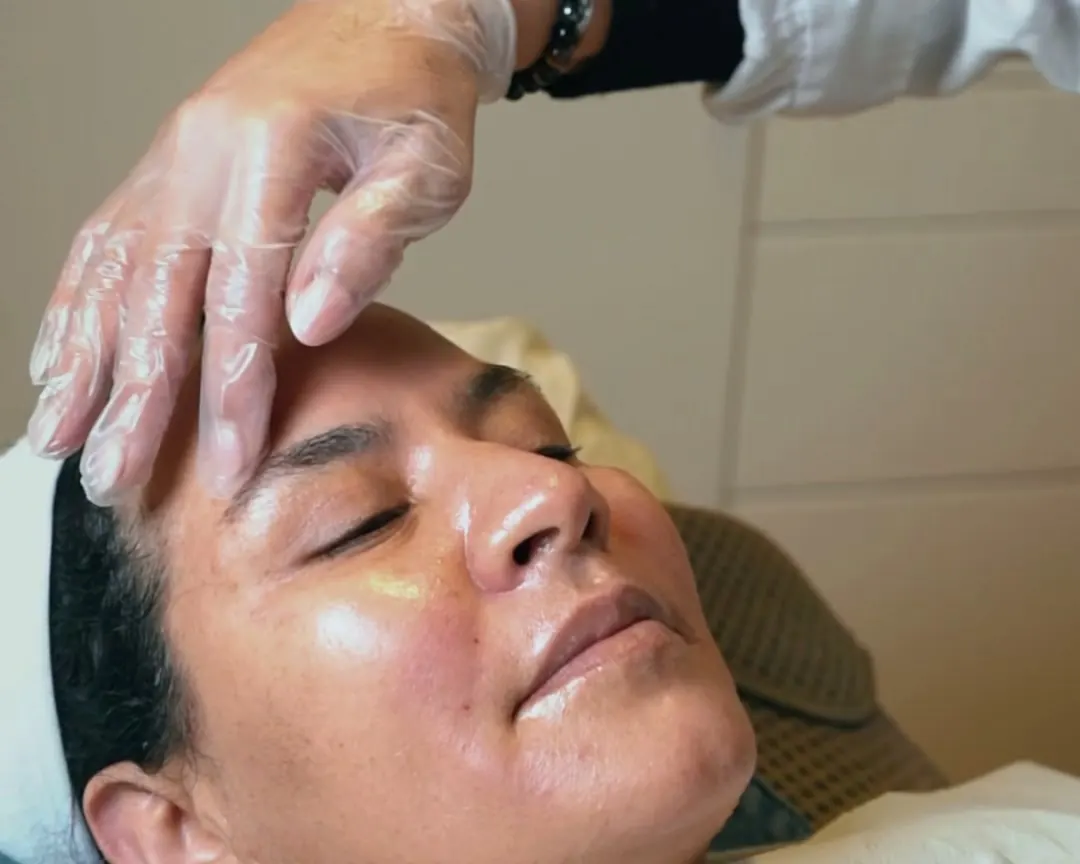
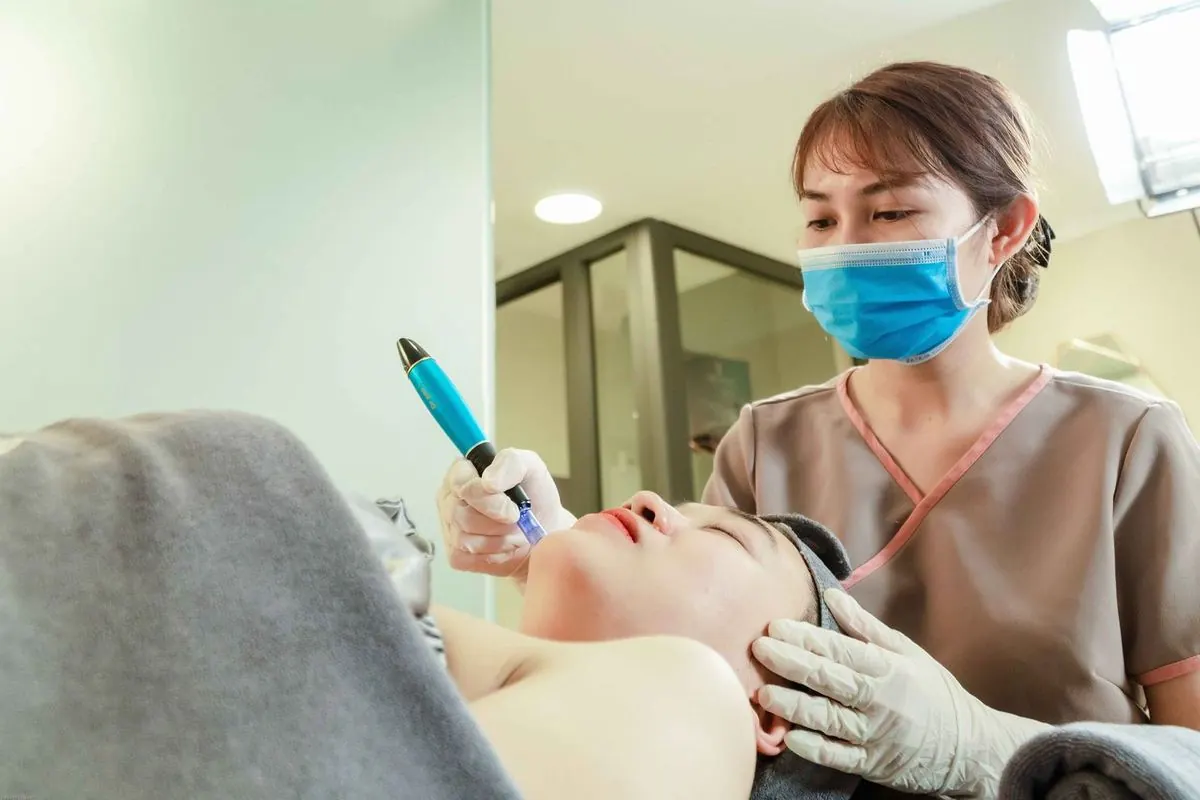
- The handpiece is placed against the skin and delivers lines of energy at the planned depths.
- The gel is wiped away, and we go through aftercare before you leave.
Most people describe the sensation as a deep prickling heat or a dull ache in short bursts. It tends to be stronger over bone, such as the jawline and brow. Let us know at any point and we can adjust or pause.
How many HIFU sessions will I need?
Most people need one session. Some benefit from a second, usually several months later, once the results of the first can be judged.
Results build over two to three months as new collagen forms. The change is subtle: a slightly firmer jawline, a softer jowl or a lighter-looking brow. It is not a substitute for a facelift. Results often last around a year, though this varies with age, skin quality, sun exposure and lifestyle, and the skin continues to age. Some people choose a top-up session roughly once a year.
Side effects, risks and aftercare
Redness usually settles within a few hours. Mild swelling, tenderness to touch and a slightly numb or tingling feeling can last a few days, and occasionally a couple of weeks. Small bruises or faint lines in the treated areas are possible and fade on their own.
Less often, the heat can irritate a nerve, which may cause temporary numbness or weakness in part of the face. This is rare and usually resolves over weeks. Burns and changes in fat volume are uncommon, and careful mapping helps reduce these risks. We will go through all of them with you before treatment.
Aftercare is minimal. Most people return to work the same day.
- Use a gentle cleanser and moisturiser for the first few days.
- Avoid saunas, steam rooms and very hot showers for 24 to 48 hours.
- Hold off on strong acids, retinoids and facial massage for a few days if the skin feels tender.
- Wear SPF daily and avoid tanning while the skin settles.
Is HIFU or a thread lift right for me?
Both aim to support sagging tissue, but they work in different ways. A thread lift uses dissolvable threads placed under the skin to reposition tissue, so the lift is visible sooner. It involves needles or cannulas, local anaesthetic and a little more recovery time. HIFU uses no needles, and its tightening develops gradually over months.
Some people combine approaches over a longer plan. Microneedling works closer to the surface on texture and scarring, so it can sit alongside HIFU, which works deeper. We will explain which option, if any, fits your skin and goals at consultation.
HIFU prices at our Edgware Road clinic
HIFU skin lifting is priced at consultation. The cost depends on which areas you want treated, such as the full face, the lower face and jawline, the neck or the area around the eyes, and on whether a single session is likely to be enough. Once we have assessed your skin, we will give you a clear price before anything is booked.
Easy to reach from Marylebone, Maida Vale and Bayswater
Our clinic at 304 Edgware Road is about 50 metres from Edgware Road's Bakerloo line station. The Circle, District and Hammersmith & City lines are a 2 to 3 minute walk away on Chapel Street. From Marylebone it is a short walk west, and Maida Vale is two stops north on the Bakerloo line. Anyone coming from Bayswater can be here in a few minutes on the Circle or District line.
We are open 10:30am to 8pm Monday to Saturday and 1pm to 5pm on Sundays and bank holidays, so a consultation can fit around work. ZARA is rated 4.8 from over 100 Google reviews. Book by WhatsApp on 07479 973309, by phone on 020 4619 8781 or through our contact page.
HIFU: your questions answered
Does HIFU hurt?
Most people feel short bursts of deep prickling heat or a dull ache, strongest over bony areas such as the jawline and brow. It is usually tolerable, and we can adjust or pause at any point. Mild tenderness afterwards is common for a few days.
When will I see results from HIFU?
Some people notice slight firmness soon after treatment, but the main change develops over two to three months as new collagen forms. Results are subtle and gradual, and how much improvement you see varies from person to person.
How long do HIFU results last?
Results often last around a year, though this varies with age, skin quality, sun exposure and lifestyle. The skin continues to age naturally, so some people choose a top-up session roughly once a year to maintain the effect.
Is there any downtime after HIFU?
Usually very little. Redness tends to fade within hours, and most people return to work the same day. Mild swelling, tenderness or numbness can last a few days. Bruising is possible but uncommon, so leave some time before an important event.
Can I have HIFU if I have had fillers?
Often yes, but timing matters. Heat near recent dermal fillers or threads may not be appropriate, so tell us what you have had and when. We will advise at consultation whether to wait or to avoid certain areas.
Is HIFU the same as a facelift?
No. HIFU can give a modest lift and firmer skin in mild to moderate laxity, without cuts or recovery time. A surgical facelift removes and repositions tissue and gives a much larger change. If your sagging is marked, a surgical opinion may suit you better.
Can HIFU be used around the eyes?
HIFU can be used on the brow and around the upper face to give a mild lift, using shallower settings and careful mapping. The eye itself is always avoided. Whether it suits you depends on your skin, which we assess at consultation.